Snow and Ice Around Rooftop HVAC Units: What Edmonton Building Owners Should Check
November 13, 2026
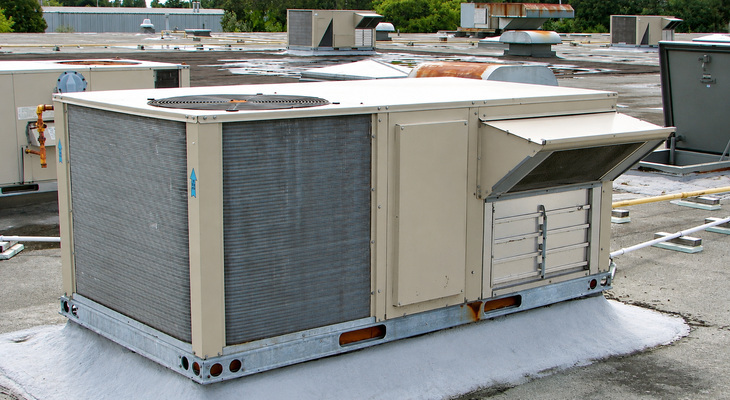
After a heavy snowfall in Edmonton, you may notice deep snow around the HVAC units on your commercial roof. Some snow is normal, but large drifts can block vents, trap water near roof openings, and add weight to parts of the roof.
The main things to watch for are blocked equipment openings, water stains, poor drainage, and deep snow that keeps building up in the same spot. Heating problems need an HVAC technician, while leaks and drainage concerns need a roofer. Signs of roof stress call for urgent professional assessment.
A good winter roof maintenance plan helps you spot these issues and know when to act. You don’t need to climb onto the roof yourself. The goal is to notice changes, report concerns, and get the right professional involved before the problem gets worse.
Why Does Snow Build Up Around Rooftop HVAC Units?
Wind carries snow across a roof. When it reaches an HVAC unit, raised support, or nearby wall, the equipment changes the wind’s path. Snow can then settle against one side of the unit and form a deep drift.
This is why one rooftop unit may have a large pile of snow behind it while the nearby roof looks clear. The roof’s slope and the space between equipment can also affect where snow collects.
On large warehouses and industrial buildings, some spots collect more snow than others each winter. Deep drifts matter because they place extra weight on one part of the roof rather than spreading it across a wider area.
If you notice snow building up around the same unit after each storm, make a note of the location. You can share this information with your roofer during winter roof maintenance checks. It helps identify areas that may need closer attention.
What Problems Can Snow and Ice Cause Around Rooftop Equipment?
Rooftop HVAC units are built to work outdoors, including during cold weather. Snow around them does not always mean something is wrong. The concern starts when snow blocks vents, affects drainage, or creates too much weight around the equipment.
Snow Blocking Air Intakes and Exhaust Vents
Some rooftop heating units need outdoor air to burn fuel. They also need a clear path to release exhaust gases. If snow or ice blocks these openings, the equipment may stop working as it should.
A blocked air intake can cause heating problems or shut down the unit. A blocked exhaust vent on fuel-burning equipment is more serious because it can create a carbon monoxide risk.
Health Canada advises keeping fuel-burning appliance exhaust vents clear of snow and ice.
If you suspect a blocked exhaust vent, do not try to restart the equipment. Contact a qualified HVAC technician. If a carbon monoxide alarm sounds or you suspect exposure, leave the building and call 911.
Ice Affecting HVAC Components
Snow can enter outdoor-air hoods and other openings on certain rooftop units. When it melts and freezes again, ice may stop dampers from opening or closing as they should.
Some heat pumps can also develop ice problems when their defrost system fails. You may notice poor heating, changes in airflow, or repeated shutdowns during cold weather.
These problems need an HVAC technician. If snow or ice around the equipment also affects the surrounding roof, a roofing contractor may need to inspect that area.
Heavy Snow Around Equipment
Deep snowdrifts can place more weight on one section of the roof. Ice adds to that weight, especially when snow melts and freezes over several days.
A roof may handle normal snowfall without trouble, but large drifts can create loads that need closer review. The fact that a roof handled past winters does not mean every new buildup is safe.
If you see signs of roof stress or have concerns about heavy snow loads, seek advice from a structural engineer. Keep people away from any area that may be unsafe.
How Can Snow and Ice Affect Roof Flashing?
Many rooftop HVAC units sit on raised supports called roof curbs. These help form the connection between the equipment and the opening in the roof. Flashing protects the joints around these areas and helps keep water out.
When snow piles up against a curb, melting water may collect near the flashing. Edmonton’s freeze-thaw weather can make this worse. Water melts during warmer periods and freezes again when the temperature drops.
If the flashing has a loose edge, damaged seal, or gap, water may enter the building. You might first notice the problem as a stain on the ceiling below the equipment.
This is why winter roof maintenance should include checks around HVAC curbs and roof openings. On steel panel roofs, the roofer may also need to inspect nearby seams and fasteners.
Keep in mind that a water stain near an HVAC unit does not always mean the roof is leaking. The water could come from the equipment, damaged flashing, or another nearby opening.
Have a professional find the source before making repairs. Adding sealant to a gap without understanding the cause may leave the problem in place.
Can Blocked Roof Drainage Make Winter Problems Worse?
Yes. When snow or ice blocks the path that water should take, melting snow may collect around rooftop equipment instead of draining away.
Think about a warehouse with an HVAC unit near a drainage path. Snow builds up behind the unit and freezes. A few warmer days cause the snow to melt, but the ice stops the water from flowing away.
That water may collect near roof seams, flashing, or other openings. If there is a weak spot, it can leak into the building.
The type of roof also matters. Low-slope roofs may have internal drains that need to stay clear. Sloped steel panel roofs shed water down the panels, so snow or ice should not block those drainage paths.
A good winter roof maintenance check should include areas where water keeps collecting. If you notice the same problem after each thaw, arrange a roofing inspection. The roofer can find out why the water is not draining and what needs to be fixed.
When Should Snow Be Removed From Around Rooftop HVAC Equipment?
You do not need to remove every patch of snow from a commercial roof. Some snow is normal, and many roofs are designed to carry winter snow loads.
Snow removal becomes a concern when buildup may affect equipment, drainage, or roof safety. The decision should depend on the roof’s design, condition, and the snow loads involved.
Arrange professional assessment if you notice:
- Deep snowdrifts forming around the same HVAC unit.
- Snow blocking air intakes or exhaust vents.
- Ice stopping melting water from draining away.
- Snow preventing safe access for needed equipment service.
- Water leaks or signs that the roof may be under stress.
There is no single snow depth that tells every building owner when removal is needed. Roofs have different load limits, and wind can push more snow into certain areas.
A structural engineer may need to assess heavy or uneven snow loads before removal work begins, especially if there are signs of roof stress.
Removing snow also requires care. Sharp tools and poor removal methods can scratch steel panels, damage flashing, or harm rooftop equipment. Workers also face risks from ice, hidden openings, and falls.
Winter roof maintenance should never mean sending untrained staff onto a slippery roof. Use qualified professionals who understand the roof system and can plan safe access and removal.
What Warning Signs Can You Spot Without Going Onto the Roof?
You do not need to climb onto a snow-covered roof to notice that something may be wrong. Building staff often see the first signs indoors or through reports about heating equipment.
Some signs are easy to miss until they happen more than once.
- Water stains: New marks on ceilings or walls below rooftop equipment.
- Leaks during warmer days: Water appearing when snow starts to melt.
- Heating problems: Units shutting down or struggling to heat the building after heavy snow.
- Blocked vents: Reports of snow covering equipment openings.
- Large snowdrifts: Snow collecting in the same area after several storms.
- Roof movement: New sagging, unusual sounds, or other signs of possible structural stress.
These signs do not always point to the same cause. For example, a heating fault may have nothing to do with a nearby roof leak.
The best approach is to record what you notice. Note when the problem started, which part of the building is affected, and whether it followed snowfall or warmer weather.
Photos taken from a safe location can help contractors understand the situation. If you suspect structural damage, keep people away from the affected area and seek urgent professional help.
Should You Call a Roofer or an HVAC Technician?
The right person to call depends on the problem. A roofer deals with roof leaks, flashing, and drainage. An HVAC technician checks heating, ventilation, and mechanical equipment. Some problems need both.
| What you notice | Who to contact |
| Heating faults or blocked air intakes | HVAC technician |
| Leaks or damaged flashing near equipment | Roofing contractor |
| Water or ice collecting around a roof curb | Roofing contractor, with HVAC input if needed |
| Frozen dampers or heat pump defrost problems | HVAC technician |
| Signs of roof sagging or excess snow loads | Structural engineer |
| Problems involving roof openings and equipment | Roofer and HVAC technician |
For example, say your warehouse heating unit stops working after a snowstorm. Around the same time, staff notice a water stain on the ceiling below it.
An HVAC technician can check why the unit stopped. A roofer can inspect the nearby flashing and drainage when the roof is safe to access.
The problems may be linked, but they could also have separate causes. Sharing the same reports with both contractors helps them understand what happened and avoid repairs that address only part of the problem.
A Practical Winter Roof Maintenance Plan for Building Owners
A useful maintenance plan does not need to be complicated. It should help you keep track of problem areas, report changes, and arrange inspections when needed.
Start before winter with a professional roof inspection. Ask the roofer to check flashing, seams, equipment curbs, and drainage paths. Your HVAC contractor can check the equipment, air openings, and cold-weather operation.
Once winter arrives, focus on these tasks:
- Track snowdrifts. Note where snow builds up around rooftop equipment after storms.
- Report leaks. Ask staff to report water stains, drips, or damp ceiling areas.
For commercial and industrial buildings, a roofing contractor can help check flashing, drainage paths, and areas where snow keeps building up. Stahl Roof Systems provides commercial roof maintenance services in Edmonton, helping property owners identify roofing concerns and plan repairs when needed.