Snow Sliding From Steel Panel Roofs: Planning Protection for Doors, Walkways, and Parking Areas
November 13, 2026
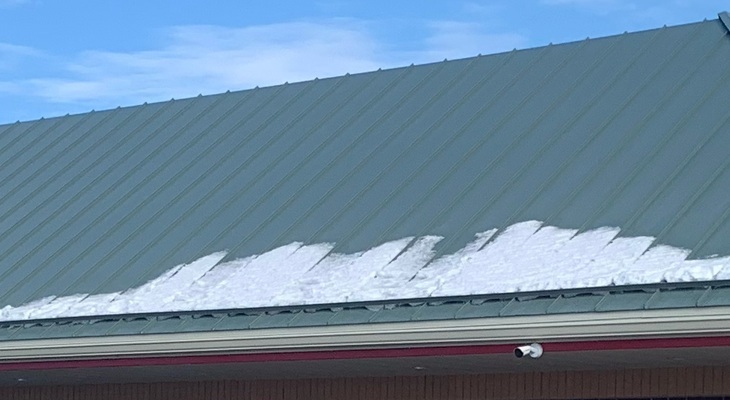
Snow sliding from steel panel roofs can create a safety hazard for people entering buildings, walking along exterior paths, or parking vehicles near roof edges. During Edmonton winters, accumulated snow can release from a sloped roof with little warning, especially when temperatures change.
At Stahl Roof Systems, we consider winter conditions when discussing commercial metal roof installation in Edmonton. Steel panel roofing systems can provide durable protection for residential, commercial, and industrial properties, but snow movement needs attention during planning. A roof that sheds snow efficiently can still create problems if that snow falls onto a busy entrance or parking area.
Property owners should consider where snow may fall, which areas people use most often, and whether engineered snow retention or changes to ground-level access are needed. These decisions are easier to address before installation, although existing roofs can also be assessed.
Why Does Snow Slide From Steel Panel Roofs?
Steel roofing panels have relatively smooth surfaces. As snow accumulates, its weight, the roof’s slope, and changing conditions at the panel surface can influence when it begins to move.
During an Edmonton winter, snow may remain on a roof for several days. Then sunlight or a temperature change can reduce the grip between the snow and the metal surface.
When that happens, part of the snowpack may slide toward the eaves. Sometimes it moves gradually. Other times, a larger section releases together.
Several factors influence this movement:
- Roof slope: Steeper roof sections can allow snow to slide more readily.
- Panel surface: Smooth steel panels generally provide less resistance than rougher roofing materials.
- Snow depth and weight: Accumulated snow can place substantial loads on the roof and any retention components.
- Temperature changes: Melting and refreezing can affect how snow adheres to the roofing surface.
- Roof geometry: Valleys, dormers, roof transitions, and changes in slope can influence where snow gathers and travels.
Not every steel panel roof will shed snow in the same way. The actual conditions depend on the roof design, building exposure, weather, and surrounding features.
How Steel Panel Roof Profiles Affect Snow Movement
The profile of a steel roof panel is one consideration, but it does not determine snow behaviour by itself.
For example, exposed-fastener steel panel systems and standing seam systems have different attachment arrangements and surface details. Those differences matter when evaluating compatible snow retention components.
Stahl Roof Systems works with steel panel roofing systems, including VersaFrame products, for suitable building applications. We consider the selected panel profile alongside roof slope, structural conditions, and winter exposure.
An appropriate snow management approach must suit the complete roofing assembly rather than being selected solely by appearance.
Where Can Sliding Snow Create Problems Around a Building?
A steel roof may extend over several areas that serve different purposes. Snow falling above an unused strip of ground presents a different level of exposure than snow releasing above a main entrance.
The first step is identifying where people and vehicles are likely to be during winter.
Building Entrances and Exterior Doors
Doors beneath sloped roof edges deserve particular attention.
A person may stop outside an entrance while unlocking a door, opening a business, or carrying supplies. If accumulated snow releases from the roof at that moment, there may be little opportunity to move away.
Common areas to examine include:
- Main residential and commercial entrances
- Emergency exits and designated exit routes
- Staff doors and loading entrances
- Garage doors
- Service and maintenance access points
Snow accumulation can also obstruct doors after falling. This is particularly concerning where an exit must remain accessible.
For buildings with entrances directly beneath a sloped steel roof, property owners should discuss snow management options during the roofing design process.
Walkways and Pedestrian Routes
Walkways running alongside a building may sit directly beneath a roof’s snow release area.
Even if falling snow does not strike someone, it can create another problem. A large accumulation may block the path or leave compacted snow and ice that make walking difficult.
This matters for commercial properties where employees, customers, delivery personnel, and contractors use exterior access routes throughout the day.
We recommend identifying the paths people actually use during winter, including shortcuts between parking spaces and building entrances.
A walkway that appears clear on a site drawing may still fall within a potential snow impact area.
Parking Areas and Vehicle Access
Snow sliding from a steel panel roof can also affect vehicles parked near the building.
Potential problems include accumulated snow landing on vehicles, obstructing parking spaces, or depositing heavy snow near drive aisles.
On commercial and industrial properties, the concern may extend to delivery trucks, equipment, or vehicles parked near loading areas.
Consider whether:
- Parking stalls sit directly below sloped roof edges.
- Drivers regularly enter or exit vehicles beneath the eaves.
- Delivery vehicles must remain stationary near the building.
- Snow accumulation could obstruct an access lane.
- Existing drainage patterns could contribute to ice formation.
Where possible, parking and pedestrian activity should be positioned away from areas exposed to sliding roof snow.
How Can Snow Sliding From Steel Panel Roofs Be Controlled?
There is no single snow management solution suitable for every steel roof. The correct approach depends on the building’s design, panel profile, roof slope, snow loads, and the location of vulnerable areas below.
For Edmonton properties, the goal is to manage snow movement without compromising the roofing system or creating additional structural concerns.
Consider Engineered Snow Retention Systems
Snow guards and snow retention rails are designed to help control the movement of accumulated snow on sloped roofs.
Rather than allowing a large quantity of snow to release at once, an appropriately designed retention system can hold snow on the roof so it melts or releases in a more controlled manner.
However, these components should not be treated as universal accessories.
Their design requires consideration of:
- Expected snow loads for the building location
- Roof slope and panel dimensions
- Attachment methods compatible with the steel panels
- Structural capacity of the roof assembly
- Potential snow accumulation above the retention system
- Manufacturer specifications and engineering requirements
A poorly selected system may fail under heavy snow loads or damage the roofing assembly.
Stahl Roof Systems recommends having the proposed snow management approach assessed by qualified roofing professionals and, where required, a structural engineer. Retaining snow also changes how loads are distributed across the roof.
Plan Snow Retention Around Critical Areas
Not every section of a roof necessarily requires the same snow management arrangement.
An entrance beneath a sloped roof may need greater attention than a roof edge facing an unused area of the property.
However, installing a few individual snow guards above a door does not automatically provide adequate protection. The entire contributing roof area and expected snow loads must be considered.
For example, imagine a commercial building with a long steel panel roof sloping toward a row of customer parking spaces.
Placing retention components only above the main entrance may leave the neighbouring parking stalls exposed. A more comprehensive assessment would consider the full roof slope, traffic patterns, and the suitability of any proposed retention system.
Our approach is to review how each building is used rather than assume that the same arrangement will work everywhere.
Why Should Snow Management Be Considered During Roof Installation?
Planning snow protection during a new steel panel roofing installation can help identify potential problems before they affect daily building use.
For commercial properties, this is particularly useful when the roof design, parking layout, entrances, and pedestrian routes are being developed together.
The Government of Alberta’s Technical Design Requirements specifically address the need to prevent snow and ice from sliding onto areas intended for pedestrians or vehicles.
This guidance reinforces an important design principle: roof performance must be considered alongside the safety of the surrounding property.
Review Roof Slopes and Building Layouts
Before installing a steel roofing system, determine where snow is likely to travel.
A roof section sloping toward an open landscaped area may present fewer exposure concerns than one facing a frequently used entrance.
For new construction, designers may have opportunities to adjust building features, roof geometry, or pedestrian routes to reduce exposure.
For existing buildings, the available options may be more limited. Snow retention, access restrictions, or other professionally evaluated measures may be necessary.
These decisions should account for practical building use throughout Edmonton’s winter season.
Check Drainage and Ice Formation
Controlling sliding snow is only part of winter roof planning.
As snow melts, water must drain away from the roof and building. If meltwater reaches a walkway and freezes, it can create slippery conditions even when large snow slides have been prevented.
Property owners should review:
- Eavestrough and downspout locations
- Drainage near building entrances
- Areas where roof runoff reaches pavement
- Existing ice accumulation patterns
- Locations where snow piles may restrict drainage
Snow retention devices can also affect how snow accumulates and melts. The roof’s drainage system must therefore be considered alongside the retention design.
What Should Property Owners Check Before Winter?
A steel panel roof may perform well for years before a particular winter exposes a snow management concern.
Changes in building use can also increase exposure. For example, a former storage area may become a staff entrance, or new parking stalls may be added beneath an existing roof slope.
An annual visual review from a safe location can help identify these changes.
Inspect Steel Panel Roofing From the Ground
Before significant snowfall, look for visible conditions that may need professional attention.
Check for:
- Loose or visibly damaged roofing panels
- Bent or displaced roof-edge components
- Damaged eavestroughs or downspouts
- Previously installed snow guards that appear loose or misaligned
- Areas where falling snow caused damage during earlier winters
- New pedestrian or parking areas beneath roof edges
Avoid climbing onto a snow-covered or icy steel roof to inspect these conditions.
Winter roof access presents serious fall hazards and should be handled by appropriately trained professionals with suitable equipment.
Keep Entrances and Walkways Accessible
Snow management continues after installation.
Following significant snowfall or thawing conditions, property owners should monitor areas where snow has accumulated near building entrances.
Remove ground-level snow when conditions are safe, and arrange appropriate ice control for pedestrian routes.
If accumulated roof snow presents a falling hazard, keep people away from the affected area until qualified personnel can assess it.
Do not stand beneath a loaded roof edge to break away snow or ice. Avoid attempting to pull large accumulations from the roof using improvised tools.
For commercial buildings, facility managers should also establish a process for reporting unsafe conditions and restricting access when necessary.
When Should a Steel Panel Roof Be Professionally Assessed?
Some winter roof concerns are difficult to evaluate from the ground.
You may notice repeated snow releases above a walkway, damaged snow retention components, or unusual accumulation near a roof transition. These conditions warrant a closer assessment.
Professional input is particularly important when:
- Snow repeatedly falls near entrances or occupied parking areas.
- Existing snow guards appear damaged or ineffective.
- A building has undergone changes affecting access routes.
- Snow accumulates heavily above a lower roof section.
- A property owner is considering adding snow retention components.
- A new commercial or residential steel roof is being planned.
A roofing assessment can help establish the panel type, roof configuration, and potential compatibility of snow management measures.
Where structural loads or engineered retention designs are involved, a qualified engineer may also need to review the proposed solution.
Do not assume that adding more snow guards will solve the problem. The arrangement must suit the actual roof and expected winter conditions.
Planning for Residential and Commercial Steel Roofing in Edmonton
Residential and commercial buildings often need different snow management considerations.
For a home, attention may focus on the front entrance, driveway, garage, or paths around the property.
Commercial buildings may involve longer roof slopes, multiple public entrances, employee parking, delivery areas, and pedestrian traffic throughout the day.
Industrial buildings can introduce further concerns involving equipment access, loading operations, and restricted work areas.
Stahl Roof Systems focuses on steel panel roofing systems for residential, commercial, and industrial applications in Edmonton and surrounding Alberta communities.
Our experience with steel panel installations helps us recognise the importance of reviewing roof design, building access, and winter exposure together.
A suitable roofing system should meet the building’s needs while allowing property owners to plan responsibly for snow movement.
Conclusion
Snow sliding from steel panel roofs is an important consideration for Edmonton property owners, especially when roof edges face entrances, walkways, or parking areas.
The most practical approach starts with identifying exposed areas and understanding how snow may move across the roof. Properly designed retention systems, thoughtful building layouts, and ongoing winter inspections can all contribute to safer conditions.
At Stahl Roof Systems, we provide steel panel roofing solutions for residential, commercial, and industrial properties throughout Edmonton and surrounding areas. Our team can discuss your roofing project, review relevant building conditions, and help identify where further snow management assessment may be needed.
Planning a new steel panel roof or concerned about snow sliding from an existing one? Contact us to discuss your property and roofing requirements.