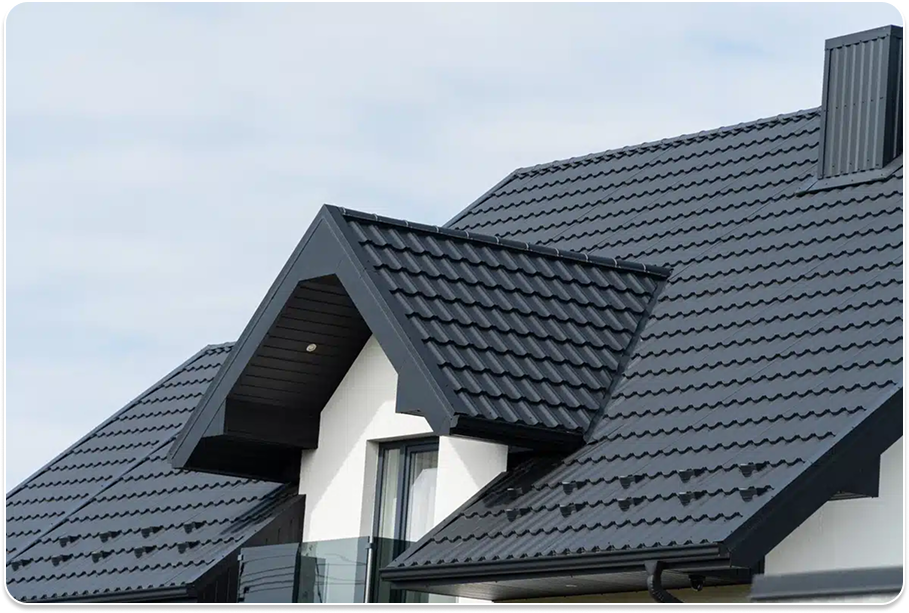
How Residential Metal Roof Installers Ensure Long-Lasting Roofing Systems
April 23, 2026
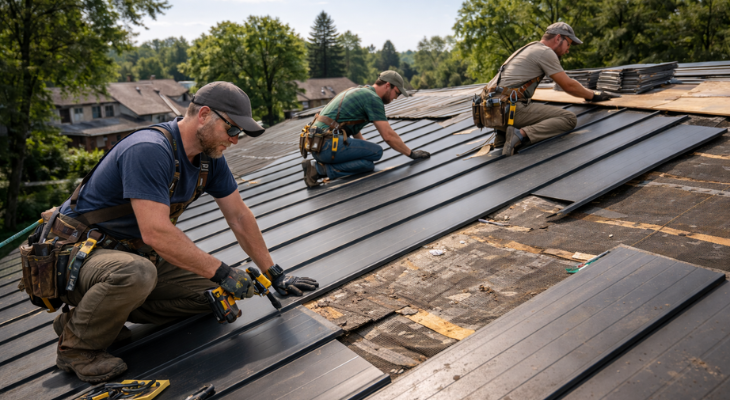
Residential metal roofing continues to gain popularity across Edmonton. Homeowners appreciate its durability, weather resistance, and long service life. However, the real performance of a roof depends heavily on installation quality.
Experienced residential metal roof installers play a major role in the lifespan of a roofing system. Even the strongest roofing materials can fail if installation mistakes occur. Proper installation protects the roof structure, prevents water intrusion, and supports long-term performance.
Many homeowners researching residential metal roofing in Edmonton focus mainly on materials and cost. Installation quality often receives less attention.
Professional installers follow specific structural and installation standards. These practices help ensure that residential metal roofing systems perform reliably for decades.
Why Professional Residential Metal Roof Installers Matter
Metal roofing systems are designed to last for many years. However, durability depends on proper installation techniques and structural preparation.
Professional residential metal roof installers understand how metal materials expand and contract during temperature changes. Correct installation prevents stress on panels and fasteners.
Experienced installers also understand drainage systems and water flow patterns. Poor drainage design can lead to leaks or structural damage.
Professional installation ensures metal panels remain secure during windstorms and heavy snow conditions. These practices significantly extend the lifespan of residential roofing systems.
Homeowners benefit from improved weather protection and fewer long-term repair costs.
Roof Assessment Before Residential Metal Roof Installation
Before installing a metal roof, professionals evaluate the existing roof structure carefully. This inspection ensures the home can support the new roofing system.
Installers inspect the roof deck to confirm it is strong and stable. Damaged or weak decking must be replaced before installation begins.
Roof ventilation is also assessed during this stage. Proper airflow prevents moisture buildup under roofing materials.
Drainage planning is another important step. Installers ensure rainwater flows away from vulnerable roof areas.
Canadian construction standards emphasize the importance of structural safety. The National Building Code of Canada establishes minimum requirements for the safety of buildings.
Professional installers follow these guidelines to protect homeowners and ensure long-term structural reliability.
Selecting the Right Residential Metal Roofing System
Choosing the right roofing system is a critical part of the installation process. Experienced installers help homeowners select systems that match the building design and climate conditions.
Several types of residential metal roofing systems are commonly used.
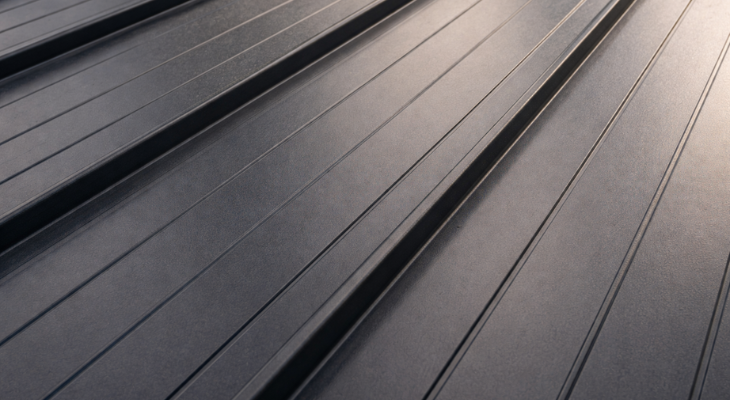
Standing Seam Metal Roof Systems
Standing seam roofs feature raised seams that lock panels together. This design prevents water penetration and reduces fastener exposure.
The system is widely used for residential metal roofing because it offers strong weather resistance and a modern appearance.
Metal Roof Panels
Panel systems provide efficient installation and strong structural coverage. They are commonly used in residential roofing projects that require cost-efficient solutions.
Panels are designed to interlock tightly, creating durable roof surfaces.
Metal Tile Roofing Systems
Metal tiles provide the appearance of traditional roofing materials. They offer durability while maintaining architectural style.
Installers recommend roofing systems based on climate conditions, roof slope, and structural design.
Installation Techniques That Extend Roof Lifespan
Professional residential metal roof installers follow precise installation methods. These practices protect the roof from damage and improve long-term performance.
Accurate Panel Alignment
Metal panels must align correctly along the roof structure. Proper alignment ensures water flows smoothly across the surface.
Misaligned panels may create gaps that allow water to enter the roof system.
Secure Fastening Systems
Fasteners anchor metal panels to the roof deck. Professional installers follow exact spacing patterns for fasteners.
Correct fastening prevents panels from loosening during strong winds or temperature changes.
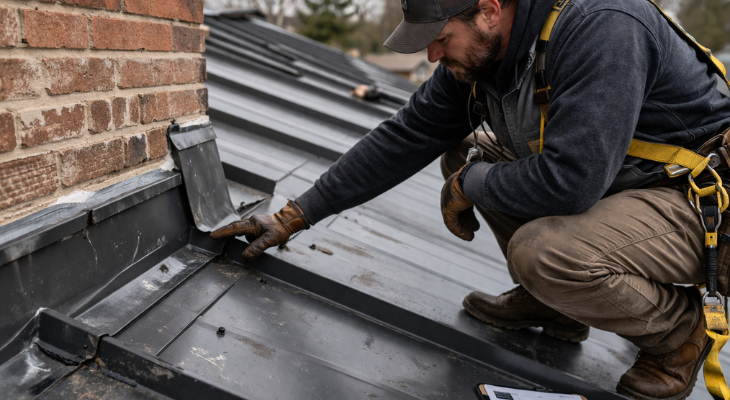
Flashing Protection
Flashing protects vulnerable areas of the roof. These locations include valleys, chimneys, vents, and roof edges.
Installers use flashing to direct water away from these areas. Proper flashing significantly reduces leak risks.
Weather Protection Strategies Used by Installers
Residential roofs in Alberta must handle challenging weather conditions. Snow accumulation, strong winds, and seasonal temperature changes place pressure on roofing systems.
Professional installers use several techniques to improve weather protection.
They install waterproof underlayment beneath metal panels. This layer adds additional protection against moisture intrusion.
Ventilation systems also help protect roofing structures. Proper ventilation prevents condensation and moisture damage inside the roof cavity.
Moisture control remains an important factor in building durability. Moisture problems in buildings can lead to structural damage and health concerns.
Professional installation ensures these protective systems function correctly.
Roof Coatings and Protective Finishes
Many modern metal roofing systems include protective coatings. These coatings help preserve roofing materials and extend the roof’s lifespan.
Protective finishes reduce corrosion and prevent damage caused by UV exposure. They also help maintain the appearance of residential roofing systems.
Some coatings improve energy efficiency by reflecting sunlight away from the building. This helps regulate indoor temperatures during summer.
Energy-efficient roofing systems contribute to sustainable building practices. Improving energy efficiency helps reduce energy use and environmental impacts.
Professional installers ensure coatings remain intact during installation and maintenance.
Maintenance Practices Recommended by Residential Metal Roof Installers
Although metal roofs are durable, routine maintenance helps extend their lifespan.
Professional installers recommend periodic roof inspections. These inspections identify small issues before they develop into major repairs.
Homeowners should also remove debris from roof valleys and gutters. Leaves and debris may block drainage systems.
Fasteners and flashing should be checked periodically for movement or damage. Metal roofing systems expand and contract over time.
Professional maintenance services ensure residential roofing systems remain secure and weather-resistant.
Warning Signs That Require Residential Metal Roof Repair
Certain warning signs indicate the need for professional roofing repairs.
Loose metal panels may appear during strong wind conditions. Rust spots may also develop if protective coatings become damaged.
Water stains on ceilings often indicate roof leaks near flashing or fasteners. Unusual noises during windstorms may also signal panel movement.
Homeowners researching metal roof repair services in Edmonton often notice these warning signs first.
Addressing repairs early helps prevent structural damage and extends the life of the roofing system.
Conclusion
Residential metal roofing systems offer excellent durability and long service life. However, installation quality determines how well those systems perform.
Professional residential metal roof installers ensure correct roof preparation, precise installation, and proper weather protection. These practices help roofing systems withstand Edmonton’s demanding climate conditions.
With the right installation and regular maintenance, residential metal roofing systems can provide dependable protection for many years.
About Us
Stahl Roof Systems has extensive experience installing residential metal roofing throughout Edmonton. Their installers focus on precision workmanship, structural safety, and reliable weather protection.
Professional installation plays a critical role in the performance of residential roofing systems. Experienced roofing specialists ensure every installation step follows proper structural and safety practices.
Homeowners who want expert guidance on roofing installation, repairs, or maintenance can contact us to discuss their roofing needs.