Industrial buildings across Edmonton rely on metal roofing systems to safeguard operations, equipment, and structural stability. These roofing systems operate under constant pressure from weather exposure, structural movement, and continuous industrial activity.
Understanding how roofing failures develop often begins with evaluating qualified industrial metal roofing services in Edmonton, especially when long-term performance and risk reduction are priorities. This approach helps decision makers identify vulnerabilities before they affect production or safety.
Industrial metal roofing failures do not occur suddenly. They form over time as stress accumulates at specific system weak points. Without early detection, these issues progress into costly disruptions.
This blog explains five common industrial metal roofing failure points and how professionals prevent them through proactive planning and system-level expertise.
Why Industrial Metal Roofing Systems Fail Over Time
Industrial metal roofing systems operate under continuous pressure throughout their service life. Large roof spans experience daily expansion and contraction as temperatures rise and fall.
Mechanical equipment placed on rooftops introduces ongoing vibration that transfers stress into roofing components. Environmental exposure adds moisture, snow accumulation, sunlight, and seasonal temperature shifts.
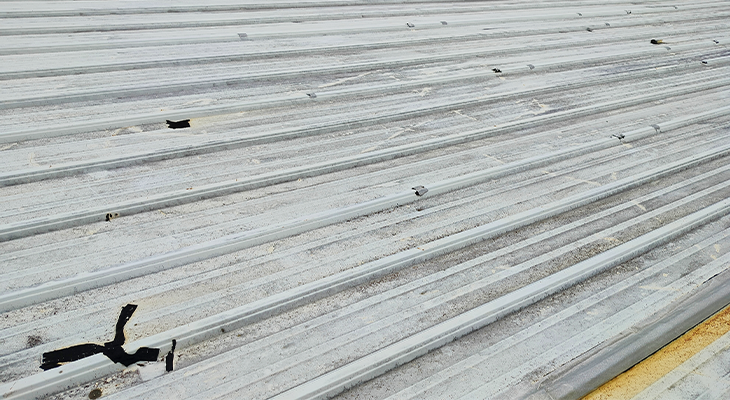
Over time, these combined forces strain panels, fasteners, seams, and penetrations. Minor movement can loosen fasteners or distort seams if systems are not designed to accommodate motion.
Repeated moisture exposure accelerates wear in vulnerable areas such as flashing and drainage points. Debris buildup around drains further increases stress by slowing water movement.
Failure often develops gradually rather than suddenly. Small deficiencies may remain unnoticed during daily operations.
When inspections are delayed, these weaknesses expand and affect surrounding components. What begins as localized stress can progress into widespread system deterioration.
Effective prevention depends on understanding how industrial roofing systems respond to long term exposure. Identifying high-risk areas early allows corrective action before structural performance is compromised.
This approach supports reliable roof performance and reduces the likelihood of unplanned operational disruption.
1. Structural Movement and Thermal Expansion
How Structural Movement Affects Industrial Roofs
Industrial buildings expand and contract every day. Temperature changes cause metal components to move repeatedly. When this movement is not properly managed, stress transfers to panels and fasteners.
This movement can lead to loosening connections or distortion along seams. Over time, small shifts compromise system stability.
How Professionals Prevent Expansion-Related Failures
Professionals design industrial metal roofing systems to accommodate movement. Proper fastening patterns and expansion allowances reduce stress accumulation. This approach helps maintain system alignment and watertight performance.
The National Research Council of Canada emphasizes the importance of movement control within building systems. Building components must be designed to accommodate movement caused by temperature changes without loss of performance.
2. Improper Seam and Panel Connections
Why Seam Integrity Matters
Seams and panel connections play a critical role in water control. Poorly installed seams allow moisture intrusion even when panels appear intact. Over time, repeated exposure worsens these weaknesses.
In industrial settings, seam failure can lead to interior damage and operational disruption.
Professional Prevention Methods
Professionals focus on precise installation techniques and proper seam detailing. Correct fastening pressure and alignment ensure seams remain secure. This attention to detail extends system lifespan and performance.
3. Inadequate Drainage and Water Management
How Poor Drainage Accelerates Roof Failure
Standing water places unnecessary stress on metal roofing systems. Poor drainage increases moisture contact time and accelerates wear on seams and fasteners. Industrial roofs with complex layouts are especially vulnerable.
Moisture is one of the main causes of deterioration in buildings and can lead to structural damage and indoor air quality issues
How Professionals Address Drainage Risks
Professionals evaluate roof slope, drainage paths, and discharge points. Adjustments are made to improve water flow away from critical areas. Effective drainage reduces long term deterioration and leak risk.
4. Penetration and Flashing Deterioration
Why Penetrations Are High-Risk Areas
Industrial roofs often include vents, exhaust systems, and mechanical supports. Each penetration introduces a potential failure point. Flashing materials must remain flexible while maintaining a tight seal.
Over time, movement and exposure cause flashing deterioration if not properly installed.
Professional Prevention Strategies
Professionals select flashing materials suited to industrial conditions. Proper detailing allows movement without compromising seals. Routine inspections ensure early signs of wear are addressed promptly.
A durable building envelope limits air leakage and moisture penetration, which can reduce building performance. Air leakage control helps maintain consistent indoor conditions and reduces unnecessary stress on structural and roofing components.
5. Delayed Inspections and Reactive Maintenance
The Risks of Reactive Maintenance
Reactive maintenance addresses problems after damage occurs. In industrial environments, this approach often leads to higher costs and operational downtime. Small issues grow into major failures when inspections are delayed.
How Professionals Prevent Escalation
Professionals implement scheduled inspections to identify early warning signs. Minor adjustments and repairs preserve system integrity. This proactive approach supports uninterrupted industrial operations.
Proactive engagement with industrial metal roof repair services in Edmonton supports continuity by resolving roof issues during planned maintenance windows.
How Professional Prevention Protects Industrial Operations
- Professional prevention prioritizes overall system performance instead of short-term fixes that address symptoms only.
- Each failure point is managed through coordinated design, installation quality, and planned maintenance practices.
- Preventative strategies help reduce emergency repairs and related downtime.
- Extended roof service life supports stable operations and long-term planning.
- Industrial facilities benefit from predictable performance and lower operational risk over time.
When to Involve Professionals for Industrial Metal Roofing
Professional involvement becomes critical as industrial buildings age or operational demands change. Added rooftop equipment increases load and vibration across the roofing system.
Changes in interior use can also affect ventilation and moisture movement, which places new stress on roof components. Visible wear often signals deeper issues developing beneath the surface.
Roof performance can also shift after building expansions or equipment upgrades. Penetrations added over time may not match the original system detailing. Without proper integration, these changes increase the risk of leaks and accelerated wear.
Early assessment by qualified specialists provides clarity and direction. It allows roofing conditions to be evaluated in relation to current building use. Corrective measures can then align with system design and operational needs rather than short-term fixes. This approach supports long-term roof performance and reduces the risk of unplanned disruption.
About Us
Stahl Roof Systems provides industrial, commercial, and residential metal roofing services across Edmonton and surrounding areas. The company focuses on system performance, durability, and long-term reliability.
To discuss industrial roofing needs or service planning, contact us for professional guidance and support.