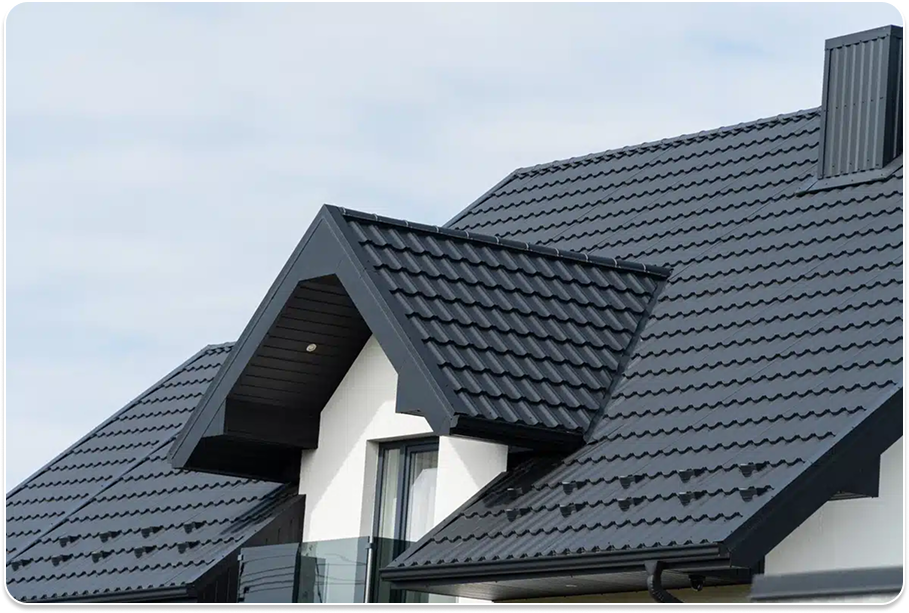
Your Annual Metal Roof Inspection Checklist
January 15, 2026
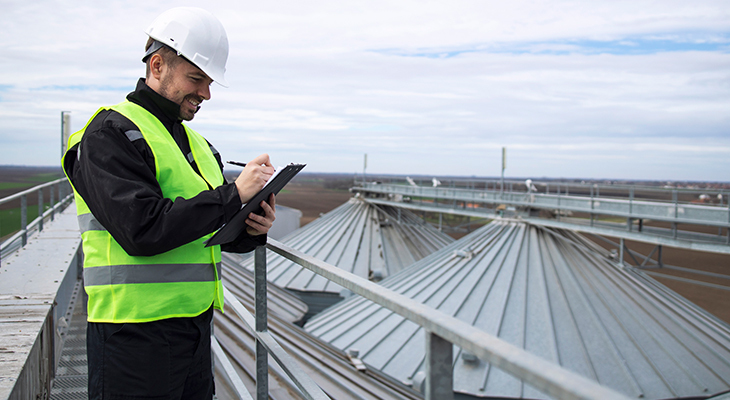
A metal roof is one of the most reliable systems for Alberta’s climate. It performs well in heat, cold, wind and heavy snowfall. Homes that rely on residential metal roofing in Edmonton usually enjoy a long service life with minimal issues. Although metal roofing is durable, annual inspections are essential.
This keeps small concerns from turning into expensive problems. When homeowners follow a structured checklist, they make sure their investment stays safe, efficient and visually appealing.
This guide provides a full inspection process that supports Edmonton homeowners who use residential roofing services or plan to schedule residential metal roof repair. It also helps anyone who wants to understand what residential metal roof installers look for during routine reviews.
Why Annual Inspections Matter for Metal Roofs
Metal roofs last a long time when they are monitored and maintained. Temperature swings, snow loads and seasonal storms all affect the surface. Even minor movement can create gaps at seams or flashing points.
An annual inspection helps identify these issues early. Edmonton homes experience dry winters, wet springs and warm summers. These conditions make an annual checklist important for any residential metal roofing in Edmonton.
Start With an Exterior Scan
Homeowners should begin their inspection by walking the property and examining the roof from the ground. This first step helps identify obvious concerns before climbing a ladder or hiring a residential roofing services provider.
Look for staining on siding, unusual shadows on the roof or areas where the metal appears uneven. Trees that touch the roof can scratch protective coatings. Branches may also hold moisture against the surface. Make sure vegetation is trimmed back.
If the roof shows visible sagging, finish wear or loose trim, note these areas for closer review.
Check Fasteners and Panel Security
Metal panels must remain tightly secured. Over time, natural expansion and contraction can loosen fasteners. Temperature changes in Edmonton make this a common issue. Homes that rely on residential metal roof installation benefit from proper fastening, but yearly checks ensure everything remains secure.
- Inspect fasteners for:
- Missing heads
- Raised screws
- Rust or discolouration
- Gaps around washers
Loose fasteners can allow water to enter or panels to shift. This affects energy performance and can shorten roof life. Tighten fasteners if they have backed out. Replace any that show rust or worn washers.
Inspect Seams and Overlaps
Seams play a major role in weather protection. Metal roofs use standing seams, snap seams or overlapped joints depending on the design. These areas must stay tight and aligned.
Check for:
- Open seams
- Metal movement
- Raised edges
- Gaps caused by wind or freeze cycles
In Edmonton, winter can make seams contract while summer heat makes them expand. Proper sealing helps control moisture entry. If any gaps appear, schedule residential metal roof repair.
Evaluate Flashing and Transition Points
Flashing protects edges, valleys and roof openings. These are the most common leak points in any home. Flashing is found around chimneys, skylights, plumbing vents and wall transitions.
Look for:
- Loose flashing
- Disconnected sealant
- Rust on exposed metal
- Debris buildup that blocks water flow
Snow and ice can push flashing out of place. Wind can also lift sections that are not fully secured. Annual maintenance prevents early deterioration.
Review Gutters and Water Management
Metal roofing moves water quickly. Snow melt and heavy rain flow into gutters at a fast rate. If gutters clog, water backs up and enters the roof structure.
This shows why downspouts and gutters must stay clean. Inspect for:
- Blocked gutters
- Loose brackets
- Overflow signs
- Ice dam patterns
Maintaining gutters protects the attic, insulation and entire roof assembly.
Examine Coatings and Surface Condition
Many metal roofs include protective finishes that prevent corrosion and UV damage. Sun exposure, seasonal dust and falling debris slowly wear away these coatings.
Check for:
- Fading or discoloration
- Bare metal spots
- Scratches from branches or tools
- Oxidation stains
Even small scratches expose metal to moisture. Touch up damaged sections or hire residential metal roof installers to recoat the area. Edmonton receives long hours of summer sunlight, which makes UV protection especially important.
Inspect Attic Interior and Ventilation
This is one of the most important steps in the annual inspection. Interior moisture, poor ventilation, or insulation issues can damage the roof from below.
Look for:
- Moisture stains
- Dark patches on plywood
- Condensation around nails
- Insulation gaps
- Warm drafts
Proper ventilation keeps the roof dry and stable during winter. Address attic issues early to protect the roof system. Proper attic ventilation and envelope integrity are critical for long-term roof performance.
As Natural Resources Canada explains: “The envelope separates our indoor environment from the weather outside. The envelope must control the flow of heat, air and moisture from the inside to the outdoors.”
Snow and Ice Monitoring
Winter conditions in Edmonton create heavy snow loads. Metal roofs shed snow well, but drifting, roof pitch, and wind patterns can create uneven weight.
Look for:
- Ice buildup along edges
- Snow ridges that push against flashing
- Icicles at eaves
- Signs of roof movement
Snow guards help control winter movement. Homeowners who schedule regular reviews from residential roofing services prevent seasonal damage.
Check for Noise or Movement
Metal roofs sometimes make popping sounds during temperature changes. This is normal, but excessive movement or new noises can suggest fastening or structural concerns.
Note the following:
- Loud pops during warm days
- Vibrations during wind
- Rattling sounds near overhangs
Movement can indicate that panels are shifting. A professional inspection helps identify and correct the cause.
Create an Annual Maintenance Log
A yearly log improves roof care. Record findings in a notebook or digital file. Include:
Date of inspection
- Noted issues
- Weather conditions
- Repairs completed
- Photos of trouble spots
This helps track changes over time. It also supports warranty claims if needed. Many homeowners prefer to schedule a yearly inspection through residential metal roofing in Edmonton professionals to maintain long-term performance.
When to Call a Professional
DIY inspections are valuable, but certain situations require expert support. Call a roofing specialist if you notice:
- Persistent leaks
- Wide seam openings
- Extensive coating wear
- Flashing separation
- Ice damage
- Structural movement
Professionals use advanced tools to check moisture levels, panel alignment and structural integrity. They also provide residential metal roof installation and full repair services when needed.
About Us
Stahl Roof Systems provides complete residential metal roofing solutions in Edmonton. Our team supports homeowners with installation, repair and routine maintenance that protects your property through every season. We offer residential roofing services tailored to local climate needs. Contact us to schedule an inspection or request guidance on long-term metal roofing care.