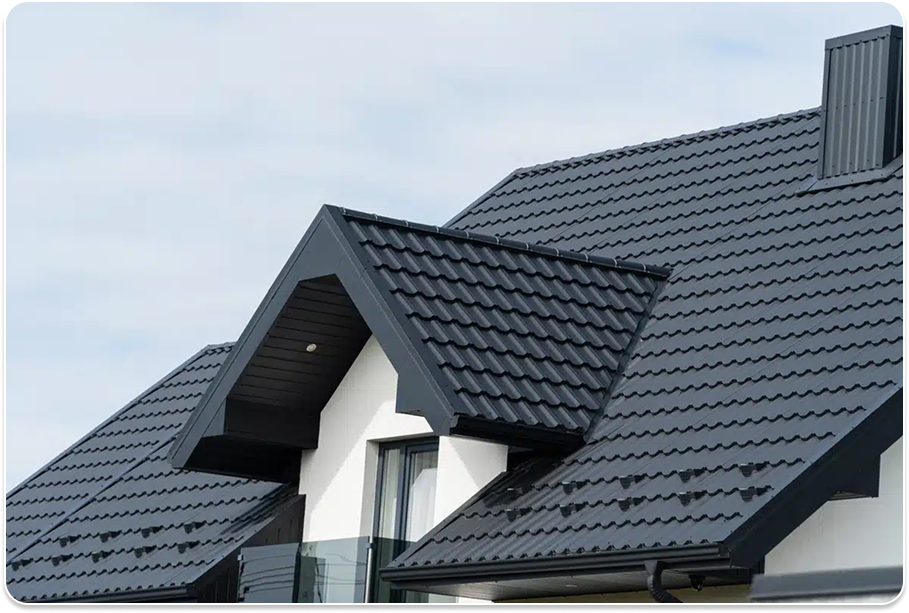
Metal Roof Profiles in Edmonton

Get Help Choosing Your Metal Roof

Metal Roofing Materials & Styles in Edmonton

Choosing the right metal roof starts with understanding your options. Stahl Roof Systems installs three steel roofing profiles: standing seam, Tuff Rib and R Panel. We work with agricultural, commercial and industrial property owners, along with homeowners, across Edmonton and surrounding areas.

Each profile has a different appearance, fastening method and installation requirements. Whether you're planning a new roof or replacing an aging one, we'll help you compare the options based on your building's structure, roof design and budget.

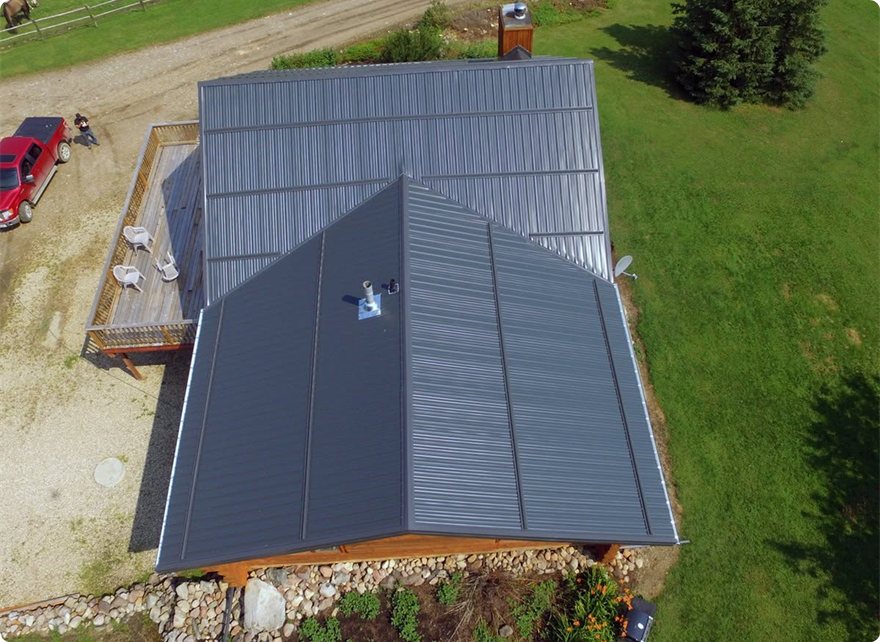
Aerial view of a dark steel roof on a rural building

Understanding Metal Roof Profiles

A metal roof profile refers to the shape of the roofing panel, including its raised ribs, seams and connecting edges. The profile affects how the roof looks, how panels attach to the structure and which roof designs they can accommodate.

Stahl Roof Systems installs these metal roofing profiles in steel. Although the material is the same, each system has different characteristics.

Panel Shape

Standing seam has raised connecting seams, while Tuff Rib and R Panel feature distinct ribbed designs.

Steel Thickness

Steel gauge identifies the material thickness. Available gauges depend on the selected roofing product and manufacturer.

Fastening Method

Some panels conceal their fasteners beneath the roofing surface, while others use exposed screws to secure the panels.

Roof Compatibility

Roof slope, structural support, panel dimensions and drainage requirements help determine which profile is suitable.

For steel materials and their properties, explore our steel roofing options.

Our Metal Roof Profiles

Not every metal roof profile works the same way. Stahl Roof Systems offers standing seam, Tuff Rib and R Panel roofing for suitable building applications.

Understanding their differences can help you narrow your choices before requesting a roofing assessment.

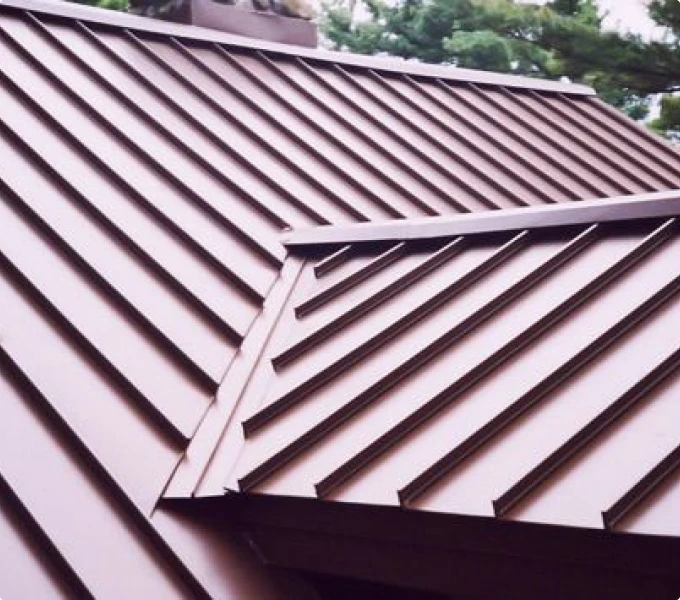
Brown standing seam steel roof
01

Standing Seam Steel Roofing

Standing seam metal roofing uses long steel panels joined by raised seams. Its concealed-fastener design creates continuous roof lines without visible screws across the main panel surface.

Standing seam is worth considering when roof appearance, fastening design and the building's structural requirements are important.

Key Features

  • Appearance: Clean roof lines with raised seams.
  • Fastening: Concealed-fastener system.
  • Applications: Suitable for agricultural, commercial, industrial and selected residential roofs.
  • Maintenance Checks: Seams, flashing, roof penetrations and drainage.
  • Selection Requirements: Confirm minimum slope, panel dimensions and substrate compatibility.
Explore standing seam metal roofing.
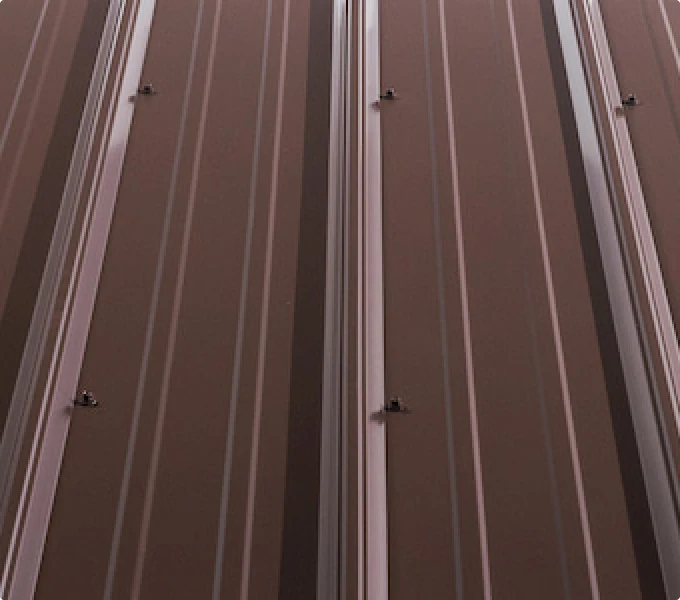
Brown Tuff Rib steel panels with exposed fasteners
02

Tuff Rib Steel Roofing

Tuff Rib roofing features raised ribs and an exposed-fastener design. The panels provide a defined steel roofing profile for suitable barns, farm shops, storage buildings and other projects.

The selected product's steel gauge, rib configuration and minimum roof slope must match the building's requirements.

Key Features

  • Appearance: Evenly spaced raised ribs.
  • Fastening: Exposed-fastener system.
  • Applications: Agricultural buildings, commercial properties and other suitable projects.
  • Maintenance Checks: Exposed screws, sealing washers, overlaps and flashing.
  • Selection Requirements: Confirm minimum slope, support spacing and approved fastener placement.
Explore Tuff Rib Steel Roofing.
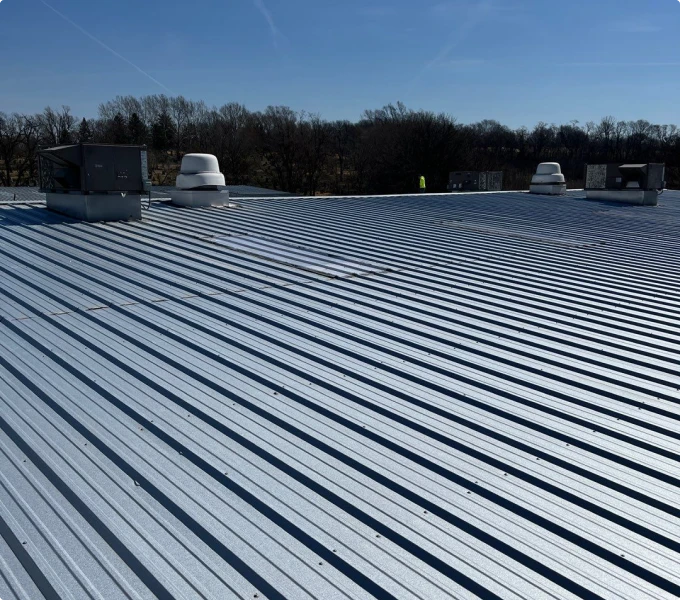
Large silver R Panel steel roof on a commercial building
03

R Panel Steel Roofing

R Panel uses a raised-rib steel profile with an exposed-fastener design. Its panel shape differs from Tuff Rib, making the two systems separate options rather than interchangeable roofing products.

R Panel may suit agricultural, commercial or industrial buildings where the roof structure and installation requirements support the selected product.

Key Features

  • Appearance: Defined raised ribs with wider spaces between major ribs than typical Tuff Rib profiles.
  • Fastening: Exposed-fastener system.
  • Applications: Suitable for warehouses, farm buildings, workshops and commercial properties.
  • Maintenance Checks: Fasteners, panel connections, flashing and drainage.
  • Selection Requirements: Confirm roof slope, rib profile, support spacing and manufacturer instructions.
Explore R Panel Steel Roofing.

Compare Metal Roof Profiles

Standing Seam vs Tuff Rib vs R Panel

Each steel roofing profile has different design and installation characteristics. Comparing these differences can help you identify which system deserves a closer look for your property.

FeatureStanding SeamTuff RibR Panel
Appearance Clean, raised seams Closely spaced raised ribs Prominent raised ribs
Fastening Method Concealed fasteners Exposed fasteners Exposed fasteners
Potential Applications Agricultural, commercial, industrial and selected residential Agricultural, commercial and other suitable buildings Agricultural, commercial, industrial and selected residential
Maintenance Checks Seams, flashing and drainage Screws, washers and flashing Screws, panel connections and flashing
Minimum Roof Slope Varies by seam configuration Product-specific; 3:12 for the referenced Westman profile Confirm selected supplier product
Technical Details to Confirm Seam height, width, gauge and substrate Rib dimensions, gauge and fastener layout Rib height, gauge and support requirements

The right system depends on the roof design, selected product and installation conditions. No single profile is the best option for every property.

Get Help Choosing Your Metal Roof

Metal Roof Profiles for Your Building Type

Different buildings have different roofing requirements. The best metal roof profile depends on how the property is used, its roof structure and the conditions the roofing system must accommodate.

Stahl Roof Systems helps property owners consider suitable profiles for four main building categories.

Agricultural Steel Roofing

Farm buildings often have large roof areas, long panel runs and specific access requirements.

For barns, machinery sheds, farm shops and agricultural storage buildings, important considerations include roof slope, structural support, ventilation, snow loads and the activities taking place inside.

We help agricultural property owners compare standing seam, Tuff Rib and R Panel options where the selected system is appropriate.

Explore Agricultural Metal Roofing Arrow

Commercial Steel Roofing

Commercial properties need roofing systems that work with building layouts, roof-mounted equipment and daily business activities.

For offices, retail buildings, commercial storage facilities and workshops, we consider panel appearance, drainage, installation access and the complexity of roof openings.

The selected profile should suit both the building's technical needs and the project's installation requirements.

Explore Commercial Metal Roofing Arrow

Industrial Steel Roofing

Industrial buildings may have large roof spans, equipment penetrations and demanding site access requirements.

When comparing metal roof profiles for warehouses, manufacturing facilities and industrial workshops, structural support, roof dimensions, panel fastening and installation planning are important.

We assess these requirements before discussing suitable steel roofing options.

Explore Industrial Metal Roofing Arrow

Residential Steel Roofing

For residential properties, appearance, roof shape and compatibility with the existing structure often guide the decision.

Standing seam and other suitable steel profiles may be considered for selected homes, garages and accessory buildings. Roof valleys, chimneys, dormers and drainage details can influence which system is appropriate.

Once you have shortlisted a system, explore our residential metal roof installation services.

Explore Residential Metal Roofing Arrow

What Affects the Cost of Metal Roof Profiles?

The installed cost of metal roofing depends on more than the panel profile. Roof size, structural conditions, selected steel materials and installation requirements can all affect the final quote.

A project-specific estimate provides a more accurate picture of the work involved than a general material price.

Steel Panel Selection

Standing seam, Tuff Rib and R Panel have different panel designs, fastening methods and installation requirements.

Roof Size and Complexity

Roof area, slope, building height, valleys, penetrations and architectural details affect material quantities and labour.

Existing Roof Conditions

The current roofing system, decking condition and structural requirements determine what preparation work may be needed. Full removal is not required for every eligible project.

Site Access and Installation

Equipment access, work areas, project scheduling, flashing details and installation scope can influence the estimate.

Request a Metal Roofing Quote

Choosing Metal Roof Profiles for Edmonton Conditions

Edmonton buildings face snow, wind, hail and significant seasonal temperature changes. Choosing a steel roofing profile requires more than comparing its appearance.

The complete roof assembly, including supporting materials, drainage and fastening, plays an important role in how the roof performs.

Roof Slope and Drainage

Each roofing profile has manufacturer-defined slope requirements. Proper drainage, roof transitions and flashing details also need to be considered.

Wind and Hail Exposure

Wind resistance and impact classifications depend on the selected product and tested roof assembly. Ratings should be reviewed before a roofing system is approved.

Snow and Ice Conditions

Roof slope, drainage paths, and areas where sliding snow could create hazards should be considered during roof planning.

Thermal Movement

Steel expands and contracts with temperature changes. Panel connections and fastening systems must accommodate movement according to the manufacturer's instructions.

Discuss Your Building Requirements

Our Wide Range of Colours

Bronze steel roofing colour swatch

Bronze

Charcoal steel roofing colour swatch

Charcoal

Crisp white steel roofing colour swatch

Crisp white

Deep forest green steel roofing colour swatch

Deep forest green

Graphite grey steel roofing colour swatch

Graphite grey

Matte black steel roofing colour swatch

Matte black

All colour options are manufactured for long term durability and consistent visual appeal.

Not sure which finish fits your project? We’ll help you choose the perfect match.

Metal Roof Profiles on Completed Projects

A completed roofing project can help you understand how a metal roof profile looks on a building similar to yours.

Explore examples of agricultural, commercial, industrial and residential roofing projects to compare roof lines, panel shapes and building applications.

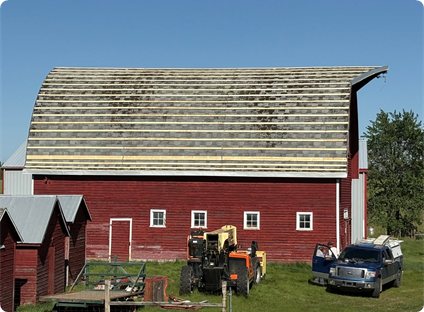
Red barn with a steel roof

Agricultural Roofing Projects

Steel roofing installed on suitable farm buildings, barns and agricultural storage properties.

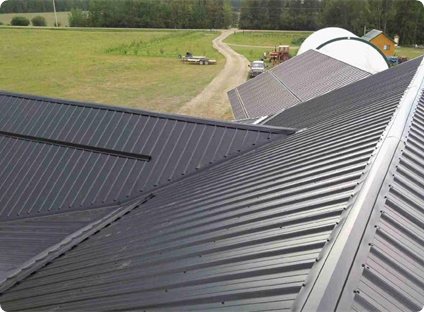
Dark standing seam roof on a commercial building

Commercial Roofing Projects

Metal roofing applications for business properties, commercial buildings and workshops.

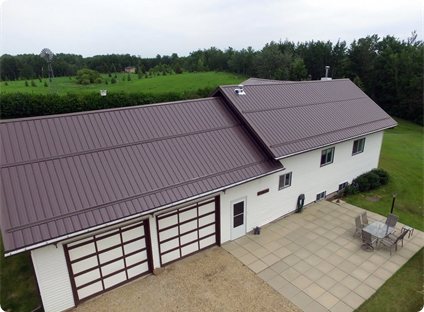
Brown steel roof over a large garage building

Industrial Roofing Projects

Steel panel roofing for suitable warehouses, industrial facilities and equipment buildings.

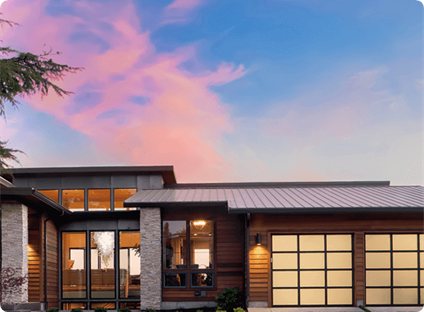
Modern home with a steel roof at sunset

Residential Roofing Projects

Metal roofing for selected residential properties, garages and accessory buildings.

Discuss a Similar Roofing Project

Metal Roof Profiles Frequently Asked Questions

What Is the Difference Between Standing Seam, Tuff Rib and R Panel?

Standing seam uses raised seams and concealed fastening. Tuff Rib and R Panel use exposed fasteners but have different raised-rib profiles. The right option depends on your roof design, manufacturer specifications and installation requirements.

Which Metal Roof Profile Is Best for Agricultural Buildings?

The right profile depends on the agricultural building's roof slope, supporting structure, ventilation and intended use. Tuff Rib, R Panel and standing seam may be considered where product specifications and building conditions allow.

Can Metal Roof Profiles Be Used on Commercial and Industrial Buildings?

Yes, suitable steel roofing profiles can be used on commercial and industrial buildings. Final selection depends on roof dimensions, structural support, drainage, site access and the approved manufacturer's requirements.

Can I Choose Standing Seam Roofing for My Home?

Standing seam roofing can be considered for suitable residential properties. The roof's slope, structural conditions, shape and selected panel system determine whether it is an appropriate option.

Which Metal Roofing Profile Is Suitable for My Roof Slope?

Every roofing system has its own minimum slope requirements. Some standing seam systems accommodate lower slopes than certain exposed-fastener profiles, but the selected manufacturer's installation instructions determine the actual limit.

What Affects Metal Roofing Installation Costs?

Installed costs depend on the roofing profile, steel specification, roof size, existing conditions, access requirements and installation complexity. A project-specific quote helps explain the expected costs.

Which Metal Roofing System Requires Less Maintenance?

Maintenance needs vary by roofing system and building conditions. Exposed-fastener panels require checks of screws and sealing washers, while standing seam systems require attention to seams, flashing and drainage. Follow the selected manufacturer's recommendations.

Will a Steel Metal Roof Be Noisy During Rain?

Not necessarily. Rain noise depends on the complete roof assembly, including decking, underlayment, insulation and interior construction. Properly designed assemblies can help manage the sound heard inside the building.