Protecting Massive Warehouse Infrastructure Using Industrial Roof Maintenance
July 16, 2026
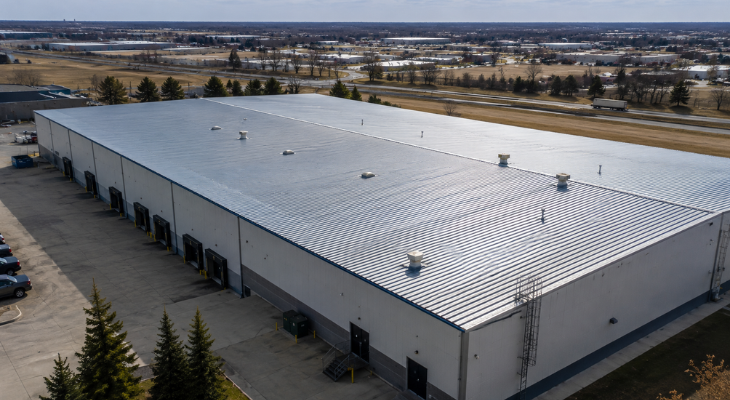
The modern warehouse is the silent engine of Canadian logistics, e-commerce, and manufacturing. These massive structures, often spanning hundreds of thousands of square feet, house inventory, equipment, and personnel that drive regional economies. Yet, one of the most vulnerable components of this infrastructure is frequently overlooked until failure occurs: the industrial roofing system. Neglecting regular assessments transforms a protective asset into a financial liability. Executing a disciplined program of industrial roof maintenance preserves building envelope integrity, prevents catastrophic product loss, and ensures alignment with Canada’s stringent occupational health and safety regulations.
Why Industrial Roof Maintenance Matters for Warehouses
A warehouse roof does more than shield contents from rain and snow. It manages thermal loads, controls humidity, and supports ventilation systems essential for air quality. When this system degrades, the consequences extend far beyond a simple drip. Water infiltration can compromise racking stability, damage corrugated packaging, and create slip hazards on polished concrete floors. For facilities storing food products, pharmaceuticals, or electronics, even minor leaks can trigger quarantine protocols and substantial financial write-offs.
Professional industrial roof maintenance addresses these risks through systematic inspection, proactive repair, and lifecycle forecasting. Unlike reactive patching, a scheduled maintenance programme identifies micro-tears, seam separation, and ponding water before they evolve into structural crises. Statistics from industry sources indicate that facilities investing in annual maintenance extend roof service life by 40 to 50 per cent, deferring replacement costs that often exceed two million dollars for large distribution centres.
Regulatory Compliance Under Canadian Standards
Canadian warehouses must comply with the National Building Code of Canada as well as provincial occupational health and safety regulations. Roof structures must support specified live loads, including accumulated snow and maintenance worker access. The Canada Labour Code, Part II, requires employers to maintain a safe working environment, which includes preventing water ingress that could lead to mould growth or electrical hazards.
Facility managers should reference guidance from the Government of Canada’s Workplace Hazardous Materials Information System (WHMIS) regarding moisture-related contaminants. Additionally, the Canada Occupational Health and Safety Regulations outline requirements for structural integrity. A robust industrial roof maintenance plan documents compliance with these codes, providing auditable records during government inspections. Stahl Roof Systems integrates these regulatory requirements into every maintenance protocol, ensuring that roof anchors, fall arrest systems, and load-bearing assessments meet current federal standards.
Signs Your Warehouse Roof Requires Professional Attention
Many warehouse operators accept minor leaks as unavoidable nuisances, yet persistent moisture infiltration signals deeper deterioration. Key indicators that demand immediate maintenance intervention include:
- Ponding water remaining 48 hours after rainfall, indicating inadequate drainage or structural deflection
- Blistering or wrinkling of membrane surfaces, suggesting trapped moisture or adhesive failure
- Visible rust around roof penetrations, vents, or equipment curbs
- Interior staining on steel purlins or insulation blankets
- Rising energy costs without operational changes, pointing to thermal breaches
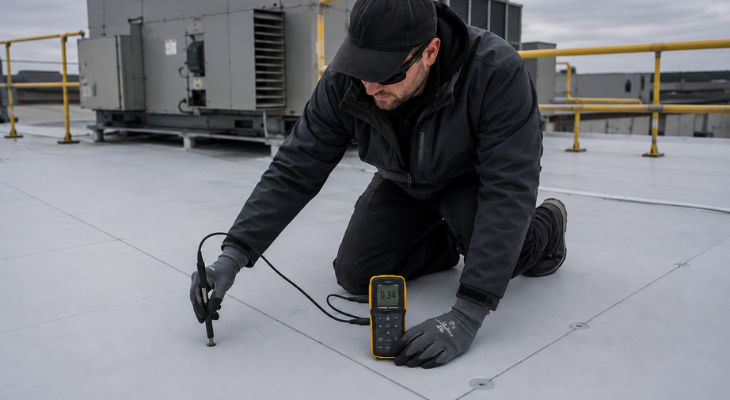
Conducting biannual internal and external assessments, particularly before winter and after spring thaw, captures damage cycles unique to the Canadian climate. A professional industrial roof maintenance provider will document these conditions using infrared scanning and core sampling, delivering actionable data for capital planning.
Material Selection and Preservation Strategies
Industrial roofs in Canada face extreme thermal gradients, UV exposure, and mechanical traffic from HVAC service personnel. Material specifications must account for these stressors. Common systems include:
- Thermoplastic polyolefin (TPO): Reflective and energy-efficient, but requires careful seam welding
- Ethylene propylene diene monomer (EPDM): Durable in cold climates, yet vulnerable to puncture from dropped tools
- Modified bitumen: Multi-ply strength with excellent cold flexibility, though heavier than single-ply membranes
- Metal standing seam: Superior snow shedding capacity but demands regular fastener torque checks
Each material family requires distinct maintenance techniques. TPO demands annual seam tension verification, while EPDM needs periodic application of liquid membrane to lap edges. We customize industrial roof maintenance programmes to match specific membrane chemistries, avoiding incompatible sealants or cleaning agents that void manufacturer warranties.
Drainage and Snow Load Management
Canadian warehouses face unique hydrological challenges. Roof drains must accommodate rapid snowmelt during January thaws, and scuppers require ice dam prevention systems. During an industrial roof maintenance inspection, Stahl Roof Systems verifies that internal drains remain free of debris and that secondary overflow provisions meet local plumbing codes.
Snow accumulation management is equally critical. The National Building Code of Canada specifies minimum design loads based on geographic region. For warehouses in the Maritime provinces or the British Columbia interior, loads can exceed 70 pounds per square foot. Maintenance teams should remove snow from low-slope roofs using polyethylene shovels or mechanical sweepers, avoiding metal blades that gouge membranes. Strategic placement of snow guards on higher rooftop sections prevents sudden slides that could injure ground personnel or damage loading dock equipment.
Lifecycle Cost Modelling and Budgeting
Reactive roof repair is the most expensive maintenance strategy over a 20-year asset life. A study of industrial facilities found that for every dollar spent on preventive industrial roof maintenance, building owners avoid four to five dollars in premature replacement costs. Stahl Roof Systems provides clients with 10-year lifecycle models that forecast when specific components, such as flashing, expansion joints, or insulation, will reach functional limits.
For warehouses operating on thin margins, phased maintenance programmes spread expenditures across fiscal years. A typical phased approach might include:
- Year one: Full infrared moisture survey and seam repair
- Year two: Coating application to reflective membrane zones
- Year three: Replacement of perimeter flashing and edge metal
- Year four: Drainage system retrofitting and snow retention installation
This methodology preserves operational continuity while addressing highest-risk zones first. Many Canadian warehouse operators finance their maintenance entirely through avoided utility costs, as reflective coatings and properly sealed thermal envelopes reduce HVAC runtime by 15 to 20 per cent annually.
Conclusion
Protecting massive warehouse infrastructure demands more than casual observation, it requires a disciplined, professional approach to industrial roof maintenance. Facility managers who prioritise scheduled inspections, regulatory alignment, and material-specific preservation strategies avoid catastrophic failures, reduce total ownership costs, and maintain safe environments for their workforce.
Stahl Roof Systems brings decades of industrial roofing experience to every project, understanding the intersection of Canadian building codes, climate resilience, and warehouse operational demands. Contact us today to schedule a comprehensive roof asset assessment and discover how proactive maintenance can transform your warehouse’s long-term performance.