How Industrial Metal Roofing Systems Handle Expansion and Structural Movement
July 2, 2026
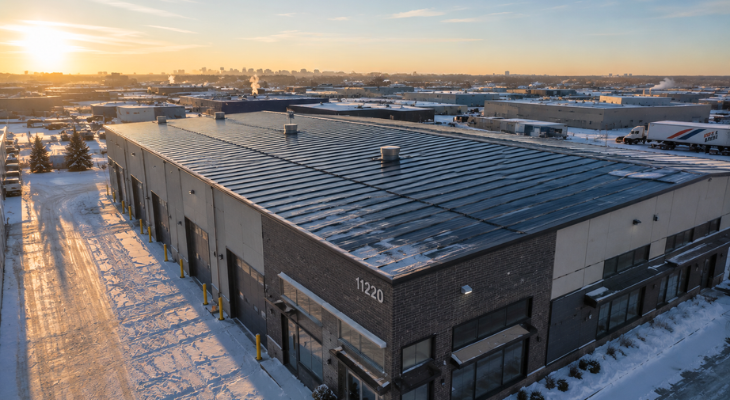
Industrial buildings move more than most property owners realize.
Not dramatically. Not visibly every day. But constantly.
Steel framing shifts slightly during temperature swings. Long roof panels expand during direct summer heat. Winter cold tightens metal surfaces again overnight. Snow loads redistribute pressure across wide roof spans. Wind uplift creates subtle flexing during storms.
Over time, all of that movement adds up.
A properly designed industrial metal roofing system is built with this reality in mind. The goal is not to stop movement completely. The goal is to manage it without allowing water intrusion, seam separation, or structural stress.
That is why many facility owners investing in professional metal roofing installation services focus heavily on system engineering before any panels are installed.
Industrial roofing systems that cannot accommodate movement usually show problems much earlier than expected.
Why Industrial Roof Structures Naturally Shift Over Time
Industrial roofing systems cover large structures. Those structures constantly respond to environmental pressure.
Some movement is so gradual that building owners never notice it until roof problems appear years later.
Temperature Changes Create Constant Expansion and Contraction
Metal reacts quickly to temperature.
On hot summer afternoons, industrial roof panels absorb solar heat and expand. Overnight cooling causes those same panels to contract again. Alberta’s weather makes this cycle even more aggressive because temperature changes happen quickly throughout the year.
Long roof panels can experience significant thermal movement across wide industrial buildings.
Roofing professionals often hear popping or ticking noises inside warehouses during seasonal changes. That sound usually comes from normal panel movement and shifting attachment points.
The issue begins when roofing systems cannot move freely.
Restricted movement places stress on fasteners, seams, flashing details, and roof penetrations.
Large Industrial Buildings Experience Structural Flexing
Industrial facilities are rarely static structures.
Warehouses, manufacturing plants, distribution facilities, and agricultural buildings all experience structural flexing during normal operation.
Heavy snow accumulation changes roof loading patterns. Wind uplift pressure affects panel surfaces. Steel framing expands and contracts during seasonal changes.
Even vibration from equipment inside the building can contribute to long-term roofing stress.
The Government of Canada recognizes thermal movement and environmental loading as important structural considerations within building envelope performance standards.
Well-designed industrial roofing systems account for these realities from the beginning.
How Industrial Metal Roofing Systems Are Designed To Accommodate Movement
Modern industrial roofing systems are engineered to move in controlled ways.
Without that flexibility, even durable roofing materials eventually develop stress-related failures.
Floating Fastener Systems Reduce Stress Concentration
One major advantage of modern industrial metal roofing systems is controlled attachment design.
Many systems use floating clip assemblies instead of rigid exposed fastening methods. These clips secure panels while still allowing controlled thermal movement underneath.
That movement prevents stress from concentrating in one location.
When panels cannot shift naturally, pressure transfers into seams and fastening points. Over time, this may lead to fastener fatigue, elongated holes, or distorted panels.
This is one reason industrial facilities often prefer engineered concealed fastening systems over older exposed fastener approaches.
Standing Seam Metal Roof Systems Allow Controlled Panel Movement
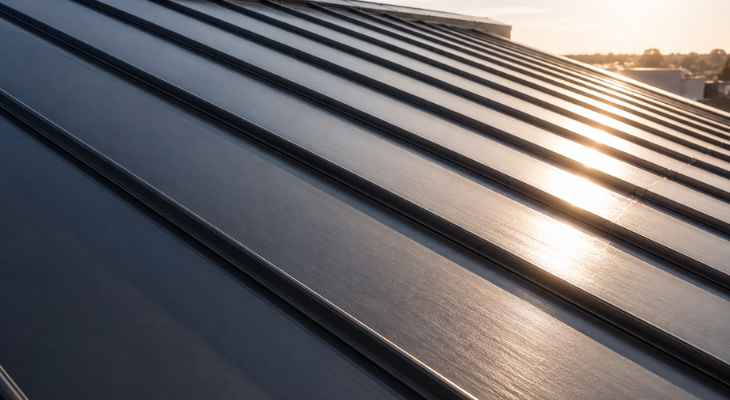
A properly installed standing seam metal roof is specifically designed to accommodate expansion and contraction.
The raised seams allow panels to move independently while maintaining weather protection.
This becomes especially important on large industrial roof spans where panel movement can become significant during Alberta temperature extremes.
Standing seam systems also reduce direct fastener exposure. That lowers the likelihood of water infiltration around attachment points over time.
Facility owners choosing commercial metal roofing installation services often prioritize standing seam systems for this reason alone.
Expansion Joints Prevent Structural Pressure Build-Up
Expansion joints help industrial roofs manage movement across long roof runs.
These joints act as controlled separation points that absorb movement before stress transfers into critical roofing components.
Without expansion relief areas, pressure may begin to affect:
- flashing systems
- seam integrity
- roof penetrations
- attachment assemblies
- panel alignment
The Alberta government also recognizes thermal movement considerations in building performance and structural envelope management.
Experienced roofing contractors account for these movement patterns during planning stages rather than reacting after failures appear.
What Happens When Roofing Systems Cannot Handle Movement Properly
Movement-related roof failures rarely appear all at once. Most problems develop gradually over several seasons.
Fastener Back Out and Panel Distortion
Repeated expansion and contraction cycles slowly stress attachment systems.
Over time, fasteners may begin loosening. Panels can develop waviness or slight distortion. Roof surfaces sometimes appear uneven during direct sunlight.
These problems often seem cosmetic at first.
In reality, they may indicate deeper structural stress inside the roofing assembly. This is why proactive metal roof maintenance matters long before visible leaks begin.
Flashing Separation Around Roof Penetrations
Roof penetrations usually experience movement stress first.
Industrial roofs contain:
- HVAC curbs
- pipe penetrations
- exhaust systems
- skylights
- mechanical supports
These areas interrupt normal panel movement.
When thermal expansion pulls against rigid flashing details repeatedly, separation may eventually occur. Water infiltration often begins at these vulnerable transition points.
Many industrial leaks actually originate around penetrations rather than open roof fields.
Leaks Often Begin Long Before Interior Damage Appears
Industrial roof leaks rarely start as dramatic failures.
Moisture intrusion usually begins slowly.
Small openings allow water beneath the roof system, where insulation absorbs moisture quietly over time. Corrosion may begin underneath panel assemblies before visible signs appear inside the building.
By the time staining reaches interior ceilings, hidden deterioration may already be extensive.
The Canadian Centre for Occupational Health and Safety highlights the importance of proactive facility maintenance and hazard prevention within industrial environments.
Why Proper Industrial Metal Roof Installation Matters More Than Most Owners Realize
Industrial roofing performance depends heavily on installation precision. Even high-quality materials can underperform when movement planning is ignored.
Panel Alignment and Clip Placement Affect Long-Term Performance
Roof panels must be installed with consistent spacing and movement allowance.
Improper clip placement can restrict thermal movement. Poor alignment increases stress concentration across seams and fasteners.
Experienced metal roofing contractors understand how movement patterns affect installation strategy.
That knowledge becomes critical on large industrial roof spans.
Different Roofing Materials Expand At Different Rates
Not all roofing materials react to temperature equally.
Steel, aluminum, fasteners, insulation components, and structural framing all expand differently during seasonal changes.
When incompatible materials are combined improperly, movement stress increases significantly.
This is why experienced roofing contractors in Edmonton pay close attention to material compatibility during industrial roofing projects.
Experienced Contractors Plan For Future Movement
Industrial roofing requires long-term thinking.
Professional installers evaluate:
- roof geometry
- structural spans
- drainage design
- snow accumulation patterns
- seasonal temperature exposure
- penetration placement
Roof movement is predictable to experienced contractors. Good installation planning reduces the likelihood of future structural roofing problems.
How Preventive Metal Roof Maintenance Helps Control Movement-Related Damage
Industrial roofing systems require ongoing observation.
Even properly installed roofs benefit from regular inspection and maintenance.
Routine Inspections Catch Stress Before Major Failure Occurs
Preventative inspections often identify early warning signs such as:
- seam stress
- fastener movement
- flashing separation
- coating wear
- panel distortion
Catching these issues early usually reduces repair costs significantly. Routine inspections also help facility owners plan repairs before emergency leaks disrupt operations.
Minor Repairs Prevent Large-Scale Structural Roofing Problems
Small movement-related problems rarely stay small forever.
Minor flashing repairs or attachment corrections can prevent larger structural failures later.
This is especially important for industrial facilities where roof failures may affect:
- equipment
- inventory
- production schedules
- workplace safety
- operational downtime
Consistent industrial metal roof repair planning protects both the building and the business operating underneath it.
Conclusion
Industrial buildings constantly experience movement.
Temperature swings, structural flexing, wind pressure, and snow loads all place stress on roofing systems throughout the year.
A properly engineered industrial metal roofing system does not resist movement completely. It accommodates movement in controlled ways that preserve long-term performance.
That flexibility protects seams, fasteners, flashing systems, and structural integrity over time.
When installation quality, movement planning, and preventative maintenance work together properly, industrial roofing systems remain reliable for decades under Alberta’s demanding climate conditions.
About Stahl Roof Systems
Stahl Roof Systems provides residential, commercial, and industrial metal roofing solutions throughout Edmonton and surrounding Alberta communities. The company focuses on long-term roofing performance, proper installation practices, and durable roofing systems designed for demanding climate conditions.
Our team handles everything from commercial metal roofing services to industrial roof maintenance, standing seam systems, roof coatings, and structural roof repairs. Businesses looking for experienced roofing professionals can contact us for project assessments and roofing consultations.