How Steel Roof Sheets Impact Long-Term Roofing Performance
May 7, 2026
Choosing the right roofing material affects how a building performs for decades. Many property owners focus on appearance or initial cost. Long-term durability depends far more on material engineering. Steel roof sheets play a major role in how residential, commercial, and industrial metal roofing systems perform over time.
If you are planning a new roof or evaluating repairs, understanding steel roofing matters. Modern metal roofing contractors focus on structural durability that reduces maintenance demands and helps protect long-term property investments.
The following guide explains how steel roof sheets influence durability, weather resistance, installation success, and lifecycle value.
Understanding Steel Roof Sheets in Modern Roofing Systems
Steel roof sheets form the structural skin of many modern roofs. They protect buildings against weather, temperature change, and daily wear.
Steel roofing panels typically include protective coatings that resist corrosion. Galvanized and galvalume finishes prevent moisture damage. Painted finishes add ultraviolet protection while improving appearance.
Steel works well across many property types. Homeowners appreciate durability and design flexibility. Commercial facilities benefit from the strength across large roof spans. Industrial operators rely on consistent performance under demanding conditions.
Why does this matter to you? Roofing materials directly affect repair frequency and long-term costs.
Why Material Quality Influences Long-Term Performance
Steel roofing performance depends on several technical factors. Small differences in material quality can significantly change lifespan.
Thickness and Steel Gauge Strength
Steel panels vary in thickness. Thicker panels resist denting and structural movement more effectively.
High-quality residential steel roofing often performs better during hail events or heavy snow accumulation. Commercial buildings also benefit because stronger panels reduce fastener stress.
Thin materials may cost less initially. However, they often require earlier repairs.
Protective Coatings and Corrosion Resistance
Coatings protect steel from moisture exposure. Zinc-based coatings prevent rust formation when properly maintained.
The Government of Canada highlights workplace safety responsibilities clearly. It states that every employer shall ensure that the health and safety at work of every person employed by the employer is protected.
Roofing materials that resist deterioration help maintain safer building environments for occupants and workers alike.
Thermal Expansion and Temperature Movement
Alberta weather changes quickly between cold winters and warm summers. Steel expands and contracts during temperature shifts.
Modern standing seam systems allow panels to move naturally. Proper design prevents fastener failure or seam stress. Poorly designed panels may warp or loosen over time.
Steel Roof Sheets and Weather Resistance in Alberta
Weather exposure determines how long roofing materials last. Steel performs well when installation and coatings match local conditions.
Snow Management and Drainage
Smooth metal surfaces shed snow efficiently. Proper slope design helps prevent water pooling.
Efficient drainage reduces corrosion risks near seams and penetrations.
Natural Resources Canada explains the importance of energy efficiency simply. It states that energy efficiency is about using less energy to perform the same task.
Reflective steel roofing surfaces can help regulate indoor temperatures. Reduced heat absorption supports improved building efficiency.
Wind Performance
Fastening systems determine wind resistance. Standing seam panels often perform better because concealed fasteners reduce exposure.
Commercial buildings with large roof areas benefit from engineered attachment systems.
Impact Resistance
Hailstorms occur regularly across Alberta. Steel thickness and coating systems influence dent resistance.
Professional inspection helps determine whether cosmetic damage affects structural performance.
Installation Quality Determines Roofing Lifespan
Material quality alone cannot guarantee long-term performance. Installation precision matters just as much.
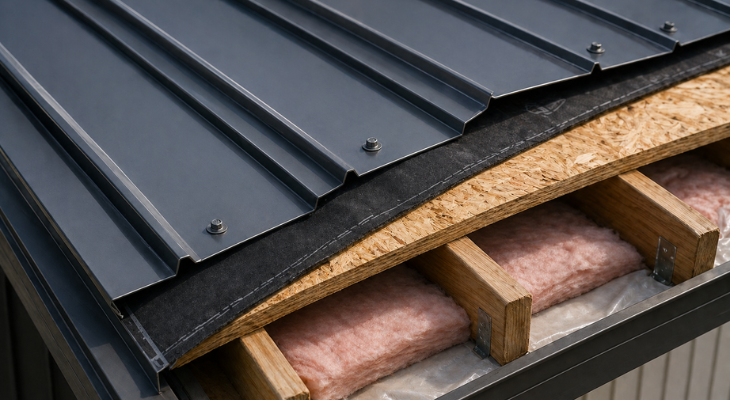
Experienced installers align panels carefully. Fastener spacing must match manufacturer specifications. Sealant application protects vulnerable areas.
Improper installation often causes early leaks. Many property owners are researching installation timelines and modern metal roof installation planning resources to understand preparation requirements before work begins.
Common Installation Problems That Reduce Performance
Incorrect fastening creates movement during temperature change. Misaligned seams allow water entry. Poor flashing installation exposes roof penetrations.
These issues may not appear immediately. Problems often develop years later. Professional metal roofing contractors evaluate the roof structure before installation begins.
Maintenance Practices That Protect Steel Roofing
Steel roofing requires less maintenance than many traditional materials. However, inspections remain important. Routine evaluation helps identify early corrosion or seal wear.
Inspection Frequency
Residential roofs typically benefit from seasonal inspections. Commercial roofs may require more frequent checks due to rooftop equipment.
Blocked drainage areas should be cleared quickly.
The Government of Canada emphasizes safe workplaces through hazard prevention. It states that preventing injuries and illnesses at work is everyone’s responsibility. Preventive inspections reduce risks created by unnoticed deterioration.
Early Repairs Prevent Major Damage
Small scratches or coating damage may expose steel surfaces. Addressing minor concerns early helps prevent corrosion from spreading across panels.
Property owners who schedule inspections through professional metal roof maintenance services for Edmonton properties often reduce long-term repair costs.
Residential Versus Commercial Steel Roofing Performance
Steel roofing performs differently depending on building type.
Residential Considerations
Homes prioritize appearance and ventilation interaction. Roofing systems must complement attic airflow.
Proper ventilation prevents condensation buildup beneath panels.
Homeowners often value standing seam systems because they combine durability with modern aesthetics.
Commercial and Industrial Demands
Commercial roofs support HVAC equipment and access traffic.
Industrial facilities experience vibration from machinery. Roofing systems must withstand structural movement.
Steel panels designed for industrial use often include thicker gauges and reinforced fastening systems.
Roof Coatings and Performance Upgrades
Roof coatings extend service life when applied correctly. Protective coatings restore ultraviolet resistance. Reflective finishes improve temperature control.
Commercial buildings often apply coatings during lifecycle maintenance rather than replacing entire systems. Coatings also help seal minor surface imperfections.
Professional evaluation determines whether coating or replacement provides better value.
Signs Steel Roof Sheets Require Repair or Replacement
Even durable materials eventually wear. Steel roofing systems perform reliably for many years, but exposure to weather, temperature movement, and aging components can create warning signs that require attention.
Watch for visible corrosion around fasteners. Panel distortion may signal structural movement. Loose flashing or recurring leaks also indicate deeper problems. Delaying repair increases cost exposure. Scheduling an inspection after severe storms helps identify hidden damage early.
Additional warning signs include:
- Rust stains are spreading outward from seams or fastener locations.
- Paint coating failure or fading that exposes bare steel surfaces.
- Fasteners are backing out due to expansion and contraction.
- Water stains appearing on ceilings or attic insulation.
- Unusual noise during wind events caused by loose panels.
- Sealant cracking around vents, skylights, or roof penetrations.
- Pooling water near panel overlaps or drainage areas.
- Increased indoor temperature fluctuation caused by compromised roofing insulation performance.
Early professional inspection helps determine whether localized repair or full panel replacement offers the safest long-term solution.
Choosing the Right Metal Roofing Contractor
Material selection works best when supported by experienced professionals. Even high-quality steel roof sheets depend on proper planning and installation to deliver reliable long-term performance. Skilled contractors evaluate more than surface appearance. They assess structural readiness before work begins.
Qualified contractors understand Alberta’s climate demands. Temperature changes, snow accumulation, and wind exposure all influence roofing design. Experienced teams carefully evaluate roof slope, ventilation balance, drainage pathways, and fastening systems. These details help prevent premature wear and reduce future repair risks.
Professional contractors also review existing roof conditions before installation or replacement. They inspect decking integrity, insulation performance, and moisture exposure areas. Identifying hidden concerns early helps avoid costly corrections during construction.
Clear communication during planning helps avoid surprises later. Reliable roofing companies explain material options, installation timelines, and maintenance expectations in simple terms. Property owners benefit when contractors outline inspection schedules and long-term care requirements from the start.
Ask questions about inspection procedures and maintenance planning before installation begins. Understanding warranty coverage, coating options, and service support helps ensure your roofing investment performs as expected for years to come.
Conclusion
Steel roof sheets influence durability more than many property owners realize. Thickness, coatings, installation precision, and maintenance practices all affect performance.
When material selection aligns with professional installation and inspection planning, steel roofing systems can deliver reliable protection for decades.
Understanding these factors helps homeowners and facility managers protect investments while reducing future repair risks.
About Us
Stahl Roof Systems provides residential, commercial, and industrial metal roofing expertise across Edmonton and surrounding communities. Their team focuses on careful planning, quality materials, and skilled workmanship to support long-term roofing performance.
From inspections to installation planning, experienced professionals help property owners make informed decisions. Clear communication and detailed evaluation help reduce unexpected maintenance concerns.
If you are considering steel roofing solutions or repairs, contact us to discuss project requirements with knowledgeable specialists.