8 Design Factors That Influence Residential Metal Roof Performance
February 18, 2026
Residential metal roofing performance depends on careful planning before installation begins. Material quality alone does not determine success.
Design decisions influence how the roof handles movement, drainage, load distribution, and long-term reliability. Homeowners planning residential metal roofing should understand how design affects performance over time.
Metal roofing systems perform best when designers account for structure, environment, and component interaction. These factors become more important in climates with temperature variation and seasonal changes.
Homeowners planning a new metal roof often consult trusted metal roofing contractors to evaluate how design decisions support durability and system performance.
A well-designed metal roof supports durability, consistent behaviour, and predictable maintenance needs. The following design factors play a direct role in how residential metal roofing systems perform.
Roof Slope and Drainage Planning
The roof slope directly affects how water and snow move off the roof surface. A slope that matches the roofing system ensures consistent drainage and reduced surface stress. Low slope designs can slow drainage and increase long-term exposure at seams.
The preferred method for achieving an adequate slope is to have the slope built into the roof structure. This guidance highlights why slope planning must occur before roofing installation begins.
Slope influences panel layout, seam orientation, and flashing design. Designers must consider roof pitch when selecting residential metal roofing profiles. Proper drainage planning reduces standing water risks and supports system longevity.
Metal Panel Profile Selection
Metal panel profiles vary in stiffness, seam structure, and load distribution. The selected profile influences how the roof handles wind forces and surface movement. Standing seam profiles offer different performance characteristics than exposed fastener systems.
Panel profile selection must align with the roof geometry and slope. Designers consider how panels lock together and respond to environmental pressure. Profile choice affects long-term appearance and structural balance.
A properly selected panel profile supports consistent performance and reduces the likelihood of uneven stress across the roof surface.
Thermal Expansion and Contraction Allowances
Metal expands and contracts with temperature change. Residential metal roofing systems must accommodate this movement through proper design. Without adequate allowances, expansion can stress seams and fasteners.
Designers plan spacing and attachment systems to allow controlled movement. Clip systems and fastening patterns support expansion without restricting panel behaviour. This planning protects roof integrity over time.
Thermal movement occurs every year. Design decisions that account for movement reduce maintenance needs and extend service life.
Fastening and Attachment Design
Attachment design determines how securely the roof connects to the structure. Fastener spacing and placement influence load distribution. Improper attachment design can lead to uneven stress under wind conditions.
Wind loads on roofs vary with location on the roof surface. This reinforces the importance of design-specific fastening layouts.
Fastener design must support both wind resistance and thermal movement. Balanced attachment planning improves roof stability and performance consistency.
Roof Ventilation Integration
Ventilation affects how heat and air move through attic spaces. Poor ventilation design can increase thermal stress beneath the roof system. Designers integrate ventilation planning to support balanced airflow.
Proper ventilation design reduces pressure differences across the roof assembly. It also supports consistent interior conditions beneath metal panels. Ventilation design complements insulation and structural planning.
Well-integrated ventilation supports long-term roof system performance.
Roof Geometry and Transitions
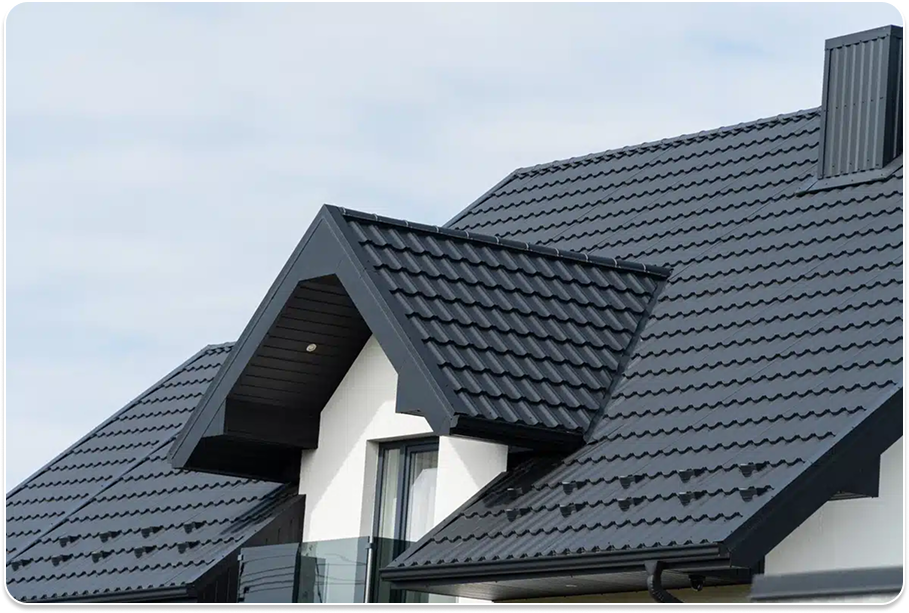
Complex roof geometry introduces additional design challenges. Valleys, hips, dormers, and skylights create transition points. These areas experience higher stress and water flow concentration.
Designers must plan transitions carefully to avoid water accumulation. Clean geometry reduces repeated maintenance issues. Proper transition detailing supports reliable drainage paths.
Roof geometry design balances aesthetics with functional performance requirements.
Edge and Perimeter Detailing
Roof edges experience higher wind exposure and movement stress. Eaves and rakes must support panel termination and flashing continuity. Poor detailing at edges increases uplift risk.
Designers plan perimeter detailing to maintain attachment strength and water control. Edge design also supports clean panel alignment and system integrity.
Strong edge detailing protects the entire roofing system.
Compatibility With Roofing Materials and Components
A metal roof includes panels, underlayments, flashings, trims, and fasteners. Each component must work together as a system. Material compatibility affects corrosion resistance and wear patterns.
Building materials must be compatible with one another to ensure long-term performance. Compatibility planning prevents premature degradation.
Designers select components that support cohesive system behaviour. Compatibility supports durability and predictable performance.
Conclusion
Residential metal roof performance depends on thoughtful design decisions. Slope planning, panel selection, movement allowances, and attachment design all matter. Ventilation, geometry, edge detailing, and component compatibility complete the system.
Homeowners benefit when design planning occurs before installation begins. Proper design reduces long-term issues and supports consistent roof behaviour.
About Us
Stahl Roof Systems is a metal roofing contractor based in Edmonton, Alberta. We specialize in residential, commercial, and industrial metal roofing systems. Our work focuses on performance-driven design and professional installation.
We help homeowners plan residential metal roofing systems that support durability and long-term reliability. Our team understands how design decisions affect real-world performance.
If you are planning a new metal roof or evaluating options, contact us to discuss your project and design goals.