6 Causes Of Commercial Metal Roof Failure And How To Prevent Them
February 12, 2026
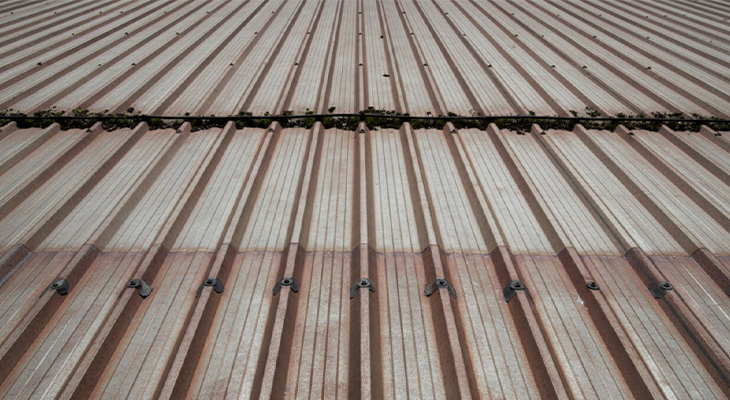
Commercial metal roofing is widely used across Edmonton for warehouses, retail buildings, and industrial facilities. These systems are valued for durability, low lifecycle costs, and long service life when properly installed and maintained.
However, even high-quality metal roofing can fail prematurely without correct planning, inspection, and ongoing care. Roof failures often lead to operational disruption, interior damage, and unplanned repair costs.
Water intrusion alone can affect inventory, equipment, and tenant operations. Many of these issues are preventable when property owners understand how design, installation quality, and maintenance work together over time.
Early planning plays a critical role in long-term roof performance. Engaging professional commercial roofing services increases the reliability and lifespan of metal roofing systems by ensuring proper detailing, drainage design, and material compatibility from the start.
Understanding Metal Roofing Performance Standards
Metal roofing systems are engineered to handle load and weather conditions at the design stage. Proper roof slope, panel alignment, and drainage are all part of established performance expectations for roofing structures.
When these technical requirements are not met, roofs are more likely to show stress and early signs of wear. Canada’s Building Code provides technical provisions for the design and construction of new buildings and alterations to existing ones.
Following these standards helps roofers build systems that perform as intended over decades. Even small details like how flashings are put in place affect how water moves off the roof and away from vulnerable areas.
- Improper Installation And Poor Fastening
One of the main reasons commercial metal roofs fail is poor installation. Fasteners that are not placed correctly or misaligned panels can allow water to enter the system. Over time, this moisture weakens the underlying structure and triggers leaks.
Installation must be done with attention to panel placement and secure fastening. Thermal movement can stress panels over time and cause gaps. Prevent this issue with a professional installation that follows industry best practices and building code requirements.
Regular inspections soon after installation can spot amateur mistakes before they grow.
- Inadequate Drainage And Ponding Water
Flat and low-slope metal roofing systems must have clear drainage paths. If water collects and ponds on the roof surface, it can find its way under seals and flashings. This accelerates wear and can lead to corrosion or interior damage.
Commercial roofs should be designed with an adequate slope to direct water toward drains. Roof drains and scuppers must remain clear of debris. Regular checks after heavy rain and spring snow melt help stop ponding before it damages the system.
- Fastener Wear And Thermal Movement
Metal expands and contracts with temperature changes. If fasteners are not able to accommodate this movement, they can back out or loosen over time. Loose fasteners leave holes in panels that allow water to pass through.
A prevention strategy is to use fasteners designed for movement and to inspect them annually. Tighten or replace worn fasteners and check that gasket materials are intact. Doing this work before the problem becomes severe saves costly repairs.
- Inadequate Flashings And Seals
Flashings are components used to intercept and direct water away from roof edges and penetrations. If flashings are not installed correctly, water can bypass them and enter the roof assembly.
Flashing details matter at roof edges, vent pipes, and penetrations. Proper installation ensures that water flows over and off the roof without finding weak spots. During inspections, pay close attention to flashings and seals around roof penetrations and parapets.
- Deferred Maintenance And Missed Inspections
No roof is truly maintenance-free. Even a high-quality metal roof needs regular care. Deferred maintenance is a common cause of commercial roof degradation. Dirt, debris, and blocked drains can hide issues that worsen with time.
Annual inspections by trained professionals keep small issues from becoming large failures. Maintenance should include clearing drains, checking for loose materials, and verifying that seals are tight. Scheduled upkeep also helps with warranty compliance and long-term performance.
- Using Temporary Fixes Instead Of Proper Repairs
Sometimes, property managers apply temporary patches instead of fixing the real problem. A stopgap repair might stop a leak for a short time, but it does not address the underlying cause. This often leads to recurring problems and more expensive work later.
When a roof issue is identified, schedule a professional evaluation. A repair plan that addresses root causes ensures long-term performance and prevents repeated intervention.
How Preventive Maintenance Reduces Roof Failure Risk
Metal roofing is durable, but scheduled maintenance makes its performance predictable over time. Routine inspections help identify minor issues before they allow moisture intrusion or material stress.
Fasteners, seams, and penetrations experience movement during seasonal temperature changes, which increases long-term wear.
Cleaning roof drains and scuppers prevents standing water that can accelerate corrosion and seal degradation. Inspecting flashings and sealants reduces the risk of water bypass at roof edges and penetrations.
Regular maintenance also helps preserve manufacturer warranties and supports compliance with building performance expectations.
Preventive maintenance reduces unplanned repairs during peak weather periods and lowers emergency service costs.
Detailed inspection records help property owners track system condition and plan capital replacement with fewer surprises. This structured approach improves budget forecasting and extends overall roof service life.
When Repair May No Longer Be Enough
- Repeated repairs may indicate that the roofing system has reached the end of its practical service life.
- Widespread corrosion, recurring leaks, or visible material fatigue often signal declining roof performance.
- Ongoing repair costs can exceed the long term value of replacement in these conditions.
- A professional roofing contractor assesses overall roof condition and identifies realistic options.
- Replacement decisions consider building use, operational impact, and budget planning.
- Roofing materials that can no longer perform reliably may disrupt interior operations and productivity.
About Us
Stahl Roofing is a trusted commercial roofing contractor serving Edmonton, Alberta and surrounding areas. We focus on quality installation, repair, and maintenance of metal roofing systems that stand up to local weather and building code demands.
Our teams follow best construction practices to deliver long-term roofing performance. For professional support with roofing issues or to schedule service, reach out to us today.